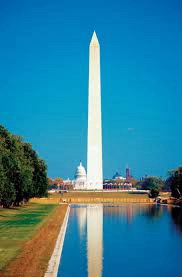
Today, aluminum is a common material you can buy for cheap at your local supermarket, but in the mid-to-late 19th century, it was as valuable as the most precious of metals. Although the material is easily found in the Earth’s crust, a pure form of aluminum doesn’t occur naturally. Instead, it requires a laborious process to extract it from other elements with which it appears, such as iron or silicon. So when the U.S. governmentneeded an impressive topper for the Washington Monument, they went with a 9-inch pyramidion (a small pyramid at the top of an obelisk) made of aluminum — the largest piece of aluminum ever made at the time. The pyramid was affixed atop the Washington Monument on December 6, 1884; after 36 laborious years of construction, the 555-foot memorial to the nation’s first Presidentwas finally completed.
Although the 9-inch aluminum pyramid was dazzling in its day, the hunk of metal also served a more practical purpose. Because the Washington Monument towered over nearby buildings, its designers also intended it as an effective lightning rod. The pyramidion was connected by four iron rods that went down the monument and traveled 40 feet underground into a pool of groundwater, which dispelled the electricity. (Gold-plated copper rods with copper points were also added to the structure after lightning cracked it during a storm in 1885.) Unfortunately, the Washington Monument was a little too good at being a lightning rod — repeated lightning strikes have melted down the aluminum cap by 3/8 inch. Today, two lightning rods divert strikes from the pyramidion, which still glistens atop the monument’s peak.
 Esoteric Meandering Shouting Into the Void