Where Did the Beer Myth Come From?
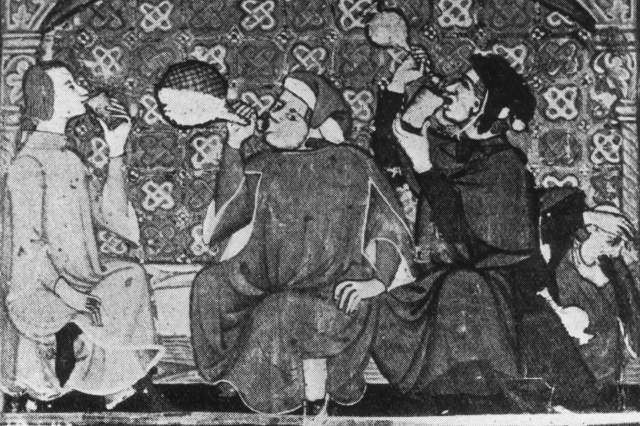
Given the plentiful amount of clean drinking water available during the Middle Ages, it’s natural to wonder how the myth of beer-guzzling medieval folk formed to begin with. One theory is that it stemmed from various written works at the time that highlighted excessive drinking as a popular activity — William Shakespeare’s plays, for instance, are full of inebriated characters, none so famous as Sir John Falstaff. But the myth was also likely perpetuated by the fact that people often drank beer along with water, as the former was a staple in many medieval diets.
Ales were frequently consumed by farmers and other workers as a type of energy drink. The ales brewed at the time often had a lower alcoholic content than modern-day beers, with an average ABV as low as 1%, versus an average around 5% today. (There were stronger beers, too, but they were harder to come by.) These low-alcohol ales still contained plentiful amounts of calories, though, especially compared to water. That’s why at the end of a long shift, it was common for workers to enjoy several glasses of ale not only to quench their thirst but also to provide them with caloric fuel to recoup the energy they lost that day.
The upper classes, meanwhile, often turned to fancy wines and liquor as their beverages of choice, as they believed water to be the drink of the common folk. While everyone could easily acquire water for free, only those of a higher status could afford the most expensive and decadent wines. Members of high society who chose to drink water often added ingredients that only the wealthy could afford, such as ice, honey, fruit, and spices. Nevertheless, it’s likely that people in medieval times weren’t inebriated any more frequently than people in any other era of history, and when they were, it wasn’t for a lack of safe drinking water.
 Esoteric Meandering Shouting Into the Void
One response to “More Drunk History”
This was a very interesting history lesson… I enjoyed reading it 😊 hugs
LikeLiked by 1 person