5 Little-Known Facts About Ellis Island
Under the watchful eye of the Statue of Liberty, Ellis Island was the entry point for countless immigrants who came to America at the turn of the 20th century. For a little over 60 years, from 1892 until its closure in 1954, the U.S. Immigration Station on Ellis Island processed more than 12 million immigrants, forever changing the culture of the United States. Today, Ellis Island is a place with a past as complicated as it is influential. Here are five facts about the singular role this 27.5-acre island played in American history.
Advertisement
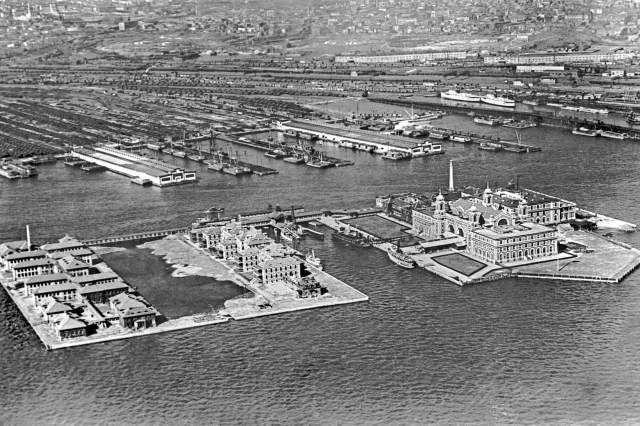
The Island Has Had at Least Seven Different Names
Before Europeans colonized North America, Ellis Island was known as Kioshk, or Gull Island, by Mohegan Indigenous peoples. In 1630, the island was purchased by the Dutch, who went on to call it Little Oyster Island for its abundance of, you guessed it, oysters. Later, in the 1700s, the island became the site of a number of hangings and got the nickname “Gibbet Island,” meaning “gallows.” Over the years, the site was also known as Bucking Island, Dyre Island, and Anderson’s Island, until in 1774, the land was purchased by Samuel Ellis, who ran a tavern on the little spit of mud. Ellis died in 1794 and ownership of his namesake island remained with the Ellis family until 1806, when it was sold to a man named John A. Berry, who then sold it to the U.S. government in 1808.
Related:6 Facts About the Mount Rushmore Presidents
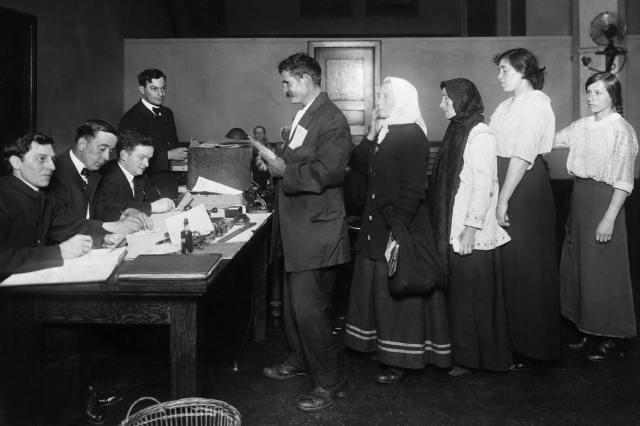
Inspection Took Half a Day — and Not Everyone Passed
For European immigrants who deboarded their ships in good health and with papers in order, the inspection process lasted about half a day. Inspections consisted of a number of physicals as well as a reading test, along with a series of questions, including whether they already had family in America, if they’d ever been to prison, and if they were an anarchist. (The wave of immigration through Ellis Island coincided with a rise in fears about communism and anarchy in the United States.) Up to 20% of the immigrants who went into Ellis Island were detained for either political, legal, or health reasons, and around 2% were sent home.
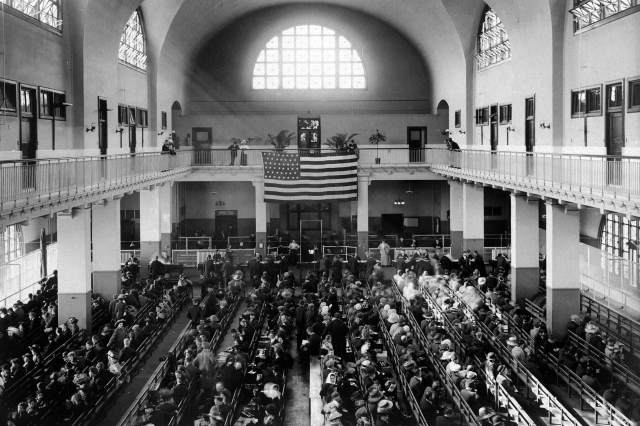
More Than 1 Million Immigrants Were Processed in 1907
On April 17, 1907, Ellis Island processed its highest number of immigrants in one day: 11,747 individuals. That year was the immigration facility’s most prolific, and it processed just over 1 million new arrivals. The island’s heyday ended after 1924, when the National Origins Act (part of the Immigration Act of 1924) restricted the number of immigrants who could come to the United States.
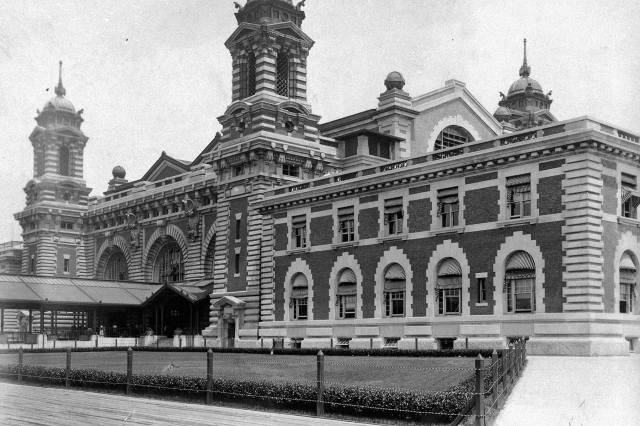
Some 40% of Americans Can Trace Their Roots to Ellis Island
The majority of immigrants who came through Ellis Island arrived from Southern and Eastern Europe, escaping a number of difficulties ranging from poverty to religious or ethnic persecution. Today, it’s believed that almost half of Americans can trace part of their ancestry back to Ellis Island. Modern visitors can stop by the Family History Center at the Ellis Island National Museum of Immigration to explore their families’ roots.
 Esoteric Meandering Shouting Into the Void