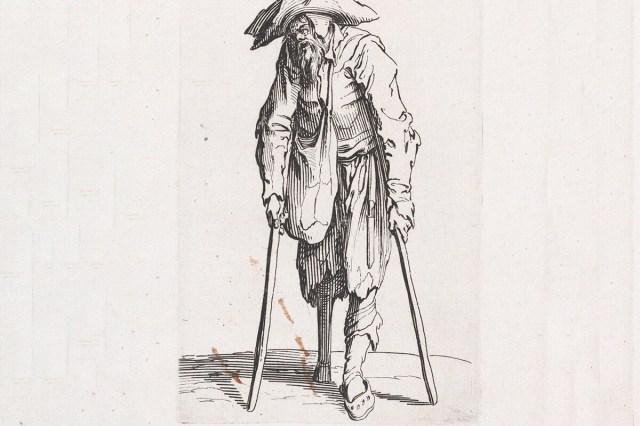
History’s Real Peg-Legged Pirates
While peg legs weren’t nearly as ubiquitous as popular culture suggests, they weren’t entirely fictional either. We do know of a couple of documented cases involving high-profile pirates with prosthetic limbs.
The most famous is arguably François Le Clerc, a 16th-century French privateer. When not being paid by various European rulers to act on their behalf, Le Clerc sailed independently as the leader of a pirate fleet. He was one of the first notable pirates of the Caribbean and was known for his peg leg. His nicknames included “Jambe de Bois” and “Pata de Palo” (in French and Spanish, respectively), both of which translate as “wooden leg” or “peg leg.”
Another example is Cornelis Jol (1597-1641), a Dutch corsair, admiral, and privateer — in other words, pirate-adjacent — who was nicknamed “Houtebeen” (Dutch for “peg leg”) due to his wooden leg. It’s worth noting, however, that both Le Clerc and Jol were sailing the high seas before the golden age of piracy, which is the era typically associated with peg legs, parrots, and eye patches.
 Esoteric Meandering Shouting Into the Void