Dwain Northey (Gen X)
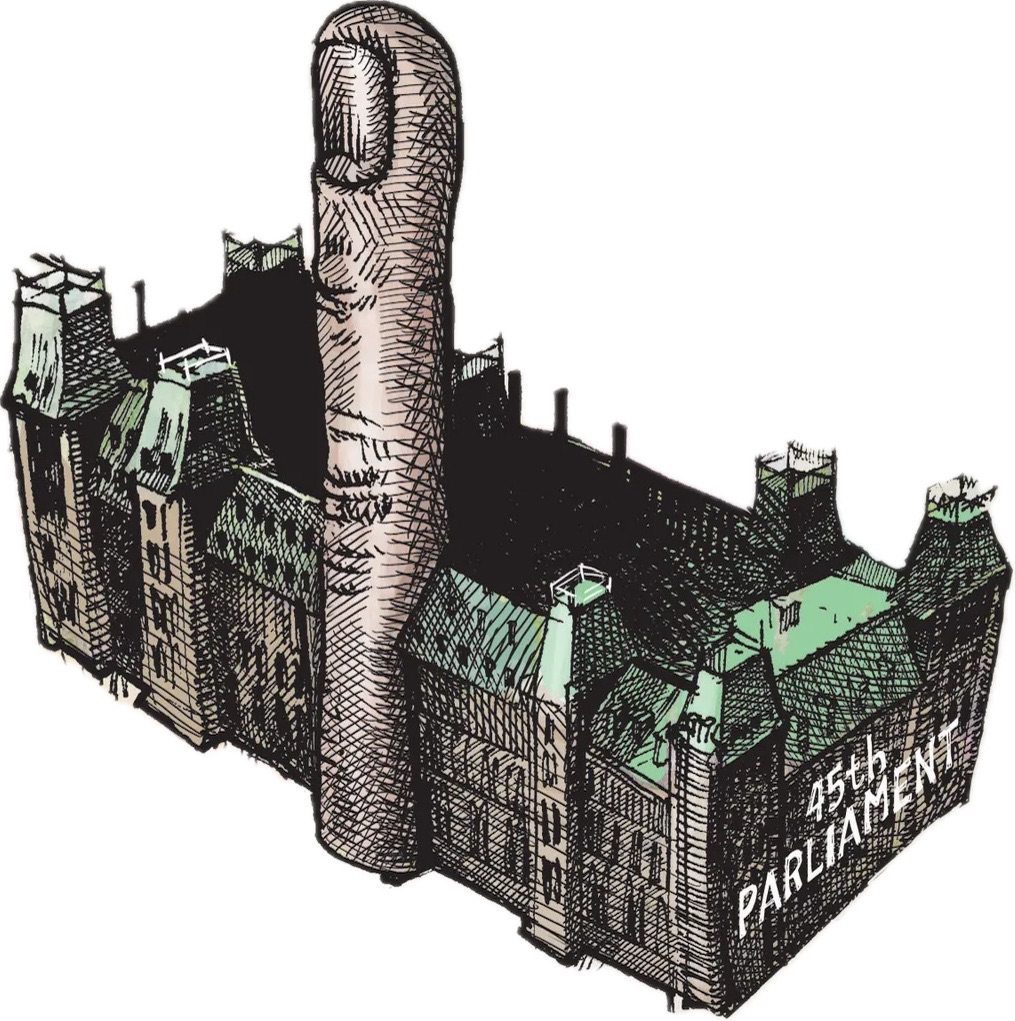
The 2025 elections in Canada and Australia stand in indirect opposition to Donald Trump’s “America First” policies, highlighting a broader, more inclusive approach to governance compared to the isolationist rhetoric of the former U.S. president.
In Canada, Prime Minister Justin Trudeau is expected to defend progressive policies focusing on multilateralism, climate change, and inclusivity. Trudeau’s government has actively championed international cooperation, particularly through organizations like the United Nations and the Paris Agreement on climate change. His emphasis on diversity, human rights, and a balanced approach to global trade contrasts with Trump’s “America First” stance, which often undermined international alliances and agreements, such as the withdrawal from the Paris Agreement and NATO criticisms. Canada’s 2025 elections will likely reaffirm a commitment to diplomacy and shared global responsibility, rejecting the isolationist tendencies that Trump endorsed.
Similarly, Australia’s political landscape in 2025 is poised to continue its engagement with the world through progressive foreign policies and active participation in regional stability efforts, particularly in the Indo-Pacific region. Australia, under the leadership of Anthony Albanese’s Labour Party, has positioned itself as a strong supporter of international partnerships, especially concerning climate action and economic stability. Unlike Trump’s protectionist approach that prioritized tariffs and trade wars, Australia is likely to continue championing free trade agreements and collaboration with key international partners like the European Union and ASEAN.
Both Canada and Australia’s 2025 elections will showcase an emphasis on globalism, shared prosperity, and diplomacy, which starkly contrasts with the “America First” ideology. In essence, these elections symbolize a rejection of protectionist nationalism in favor of multilateralism, thus indirectly challenging the policies that defined Trump’s presidency.
 Esoteric Meandering Shouting Into the Void