Dwain Northey (Gen X)
Differences Between Climate and Weather
Climate and weather are related concepts in atmospheric science, but they are distinct in terms of time scale, predictability, and impact. While both involve the study of atmospheric conditions such as temperature, humidity, wind, and precipitation, they differ fundamentally in duration and scope.
Weather refers to the short-term atmospheric conditions in a specific place at a specific time. It can change from hour to hour or day to day. Weather describes phenomena such as rain, sunshine, wind, storms, and snow. For example, a thunderstorm occurring in Houston on a summer afternoon is a weather event. Meteorologists use tools like radar and satellites to forecast weather days in advance, though accuracy decreases the further out the forecast goes.
Climate, on the other hand, refers to the long-term average of weather patterns over a significant period, typically 30 years or more, in a particular region. It encompasses long-term trends and patterns such as average temperature, precipitation, and seasonal variations. For instance, the Mediterranean climate is characterized by hot, dry summers and mild, wet winters. This pattern remains relatively stable over decades, although it can shift gradually due to natural or human-influenced factors.
A practical example to distinguish the two: if it snows in New York in April, that is a weather event. However, the fact that New York generally experiences cold winters with snow is part of its climate. Similarly, while Phoenix, Arizona, might receive rain on a rare summer day (a weather event), its climate is classified as desert due to the overall low rainfall and high temperatures year-round.
The time scale is a key difference. Weather forecasts typically cover the next few days to a week, while climate assessments look at data collected over many years. This difference also affects how predictable each is. Weather can be predicted with some accuracy over short periods, but it becomes increasingly difficult to forecast more than 10–14 days ahead. Climate, due to its long-term nature, is more predictable in terms of trends and patterns. For example, we can confidently say that winters in Canada will be cold for decades to come, but we cannot predict whether it will snow on January 15th next year.
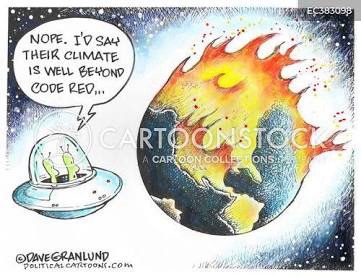
Climate change further illustrates the distinction. Global warming is a shift in climate patterns caused largely by human activities such as burning fossil fuels. It is not a single weather event but a gradual alteration of the Earth’s climate over decades. Rising average global temperatures, melting polar ice, and more frequent extreme weather events are evidence of climate change. However, a single cold winter does not disprove climate change—it is just a weather variation within a larger climate trend.
In summary, weather is what you experience in the short term—sunny, rainy, hot, or windy—while climate is the average of such conditions over a long time. Both are essential for understanding the environment, but they serve different purposes and scales of analysis.
 Esoteric Meandering Shouting Into the Void