Dwain Northey (Gen X)
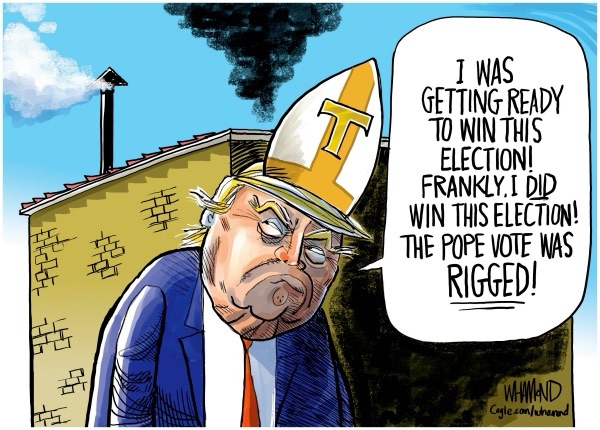
The adoption of a new pope in today’s world would carry significant religious, cultural, and geopolitical implications. As the spiritual leader of over 1.3 billion Catholics worldwide, the pope wields considerable influence not only in matters of faith but also in global humanitarian and moral discussions. A new pontiff’s vision, priorities, and personality could shape the direction of the Catholic Church for decades to come.
In the modern era, the pope is increasingly seen as a global moral authority. Issues such as climate change, economic inequality, war, migration, and human rights are topics the Vatican frequently addresses. A new pope could shift the tone and focus of these conversations—either emphasizing continuity with recent progressive stances, like those of Pope Francis, or opting for a more traditional, conservative approach. This would affect how the Church engages with younger generations, other religions, and secular governments.
A new pope may also impact internal Church governance, particularly concerning transparency, sexual abuse scandals, and the role of women and laity. These are pressing issues that demand reform and trust-building. A pontiff seen as a reformer could revitalize confidence in the Church, while a more conservative choice could deepen divisions within Catholic communities.
On the international stage, the pope often serves as a diplomat, mediator, and voice for peace. His stance on conflicts—such as those in the Middle East, Ukraine, or Africa—can influence public opinion and even political action. Additionally, in an age of polarization and rising nationalism, a new pope’s message of unity or division could ripple across societies.
Ultimately, the adoption of a new pope is more than a religious transition; it is a moment of global significance that will shape the Church’s role in a rapidly changing world.
 Esoteric Meandering Shouting Into the Void