Dwain Northey (Gen X)
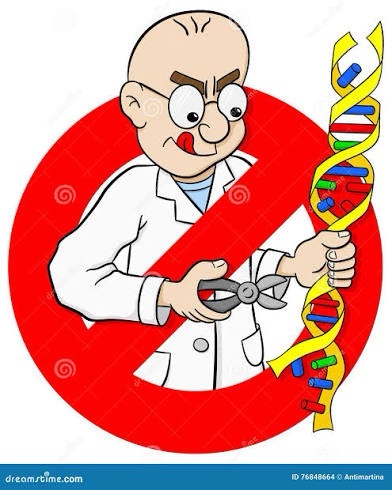
Genetically Modified Organisms (GMO) foods have been a subject of debate for decades, with both notable advantages and significant concerns.
Positives:
One of the most prominent benefits of GMO foods is their potential to increase agricultural productivity. Crops can be genetically engineered to resist pests, tolerate herbicides, and withstand harsh environmental conditions like drought. This can lead to more reliable yields and reduced need for chemical pesticides, benefiting both farmers and the environment. Additionally, GMOs can be tailored to improve nutritional content. For example, Golden Rice is enriched with vitamin A to help combat deficiencies in developing countries. GMO technology can also reduce food waste by extending shelf life and improving resistance to bruising during transport.
Negatives:
Despite these advantages, GMOs raise several concerns. One major issue is the potential impact on biodiversity. The widespread cultivation of genetically uniform crops can reduce genetic diversity, making food systems more vulnerable to diseases and pests. There are also concerns about long-term health effects, though scientific consensus generally considers GMO foods safe; however, some critics argue that more independent research is needed. Moreover, GMOs can contribute to economic disparities. Patents held by large biotech companies may make it difficult for small-scale farmers to compete, and some are forced to buy new seeds each season due to restrictions on saving patented seeds.
In conclusion, while GMO foods offer significant benefits such as increased crop yields, reduced pesticide use, and enhanced nutrition, they also come with ecological, economic, and ethical challenges. A balanced approach—emphasizing responsible regulation, transparent labeling, and continued research—is essential to ensure that GMO technology contributes positively to global food security without undermining environmental sustainability or social equity.
 Esoteric Meandering Shouting Into the Void