Dwain Northey (Gen X)
That’s a big question — and a good one.
Is AI the Future?
Yes, in many ways, AI is the future. It’s already transforming industries like healthcare, education, finance, transportation, and entertainment. From personalized medicine and predictive maintenance to autonomous vehicles and intelligent assistants, AI is helping us solve complex problems faster and often more efficiently than before.
Benefits include:
Automation of repetitive tasks Faster data analysis and decision-making Enhancements in scientific research Improved accessibility (like helping people with disabilities) Personalization of user experiences
But…
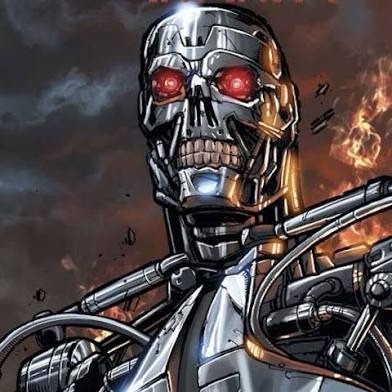
What About Skynet?
The fear of an AI apocalypse — like Skynet in The Terminator — reflects a real concern, but not one grounded in the current capabilities of AI. Skynet was a self-aware, fully autonomous, military-grade intelligence that decided humanity was a threat. That’s science fiction. Today’s AI:
Has no consciousness or goals of its own Is task-specific and lacks general understanding Requires massive human oversight Is prone to errors and bias
However, the concern isn’t completely irrational. The risks include:
Loss of control over powerful autonomous systems Weaponization of AI Bias and discrimination in AI decision-making Job displacement and economic inequality Misinformation at scale (deepfakes, AI-generated propaganda)
That’s why responsible development, regulation, and transparency in AI are essential. Organizations like OpenAI, governments, and researchers around the world are actively working on aligning AI with human values and ensuring it’s used safely.
Bottom Line:
AI isn’t Skynet — yet — and probably never will be if we stay proactive and careful. It’s a powerful tool, not a sentient force. But like any powerful technology, how we use it matters more than the tech itself.
Would you like an example of how AI is being used today in something you’re interested in?
 Esoteric Meandering Shouting Into the Void