Dwain Northey (Gen X)
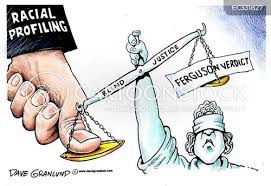

The recent Supreme Court decision to restrict gender-affirming care for transgender children echoes the historic Plessy v. Ferguson ruling from over a century ago, revealing a troubling continuity in judicial sanctioning of systemic discrimination. In Plessy v. Ferguson (1896), the Supreme Court upheld state laws mandating racial segregation under the doctrine of “separate but equal.” This ruling entrenched institutionalized racism, denying Black Americans equal rights and legitimizing widespread social and medical discrimination for decades.
Similarly, the current Supreme Court’s refusal to protect gender-affirming care for trans youth legitimizes a form of institutional discrimination against a vulnerable minority. Denying medically supported care essential for the well-being of transgender children echoes the state-imposed barriers that Plessy sanctioned for Black Americans. Just as segregation in education, transportation, and public life in Plessy perpetuated harm under the guise of legal legitimacy, withholding gender-affirming care under the pretense of policy or morality ignores established medical consensus and harms trans youth’s mental and physical health.
Both decisions reflect a judicial unwillingness to recognize and protect marginalized identities, instead reinforcing social hierarchies that delegitimize lived realities. Where Plessy codified racial inferiority, the current decision implicitly codifies gender nonconformity as deviant and unworthy of care. The harm wrought by such rulings is not abstract—it manifests in increased suffering, discrimination, and social exclusion.
In essence, the Supreme Court’s stance on trans healthcare mirrors Plessy’s role in legalizing systemic injustice. Both decisions illustrate how law can be wielded to oppress rather than protect, underscoring the urgent need for judicial recognition of equality and dignity for all.
 Esoteric Meandering Shouting Into the Void