Dwain Northey (Gen X)
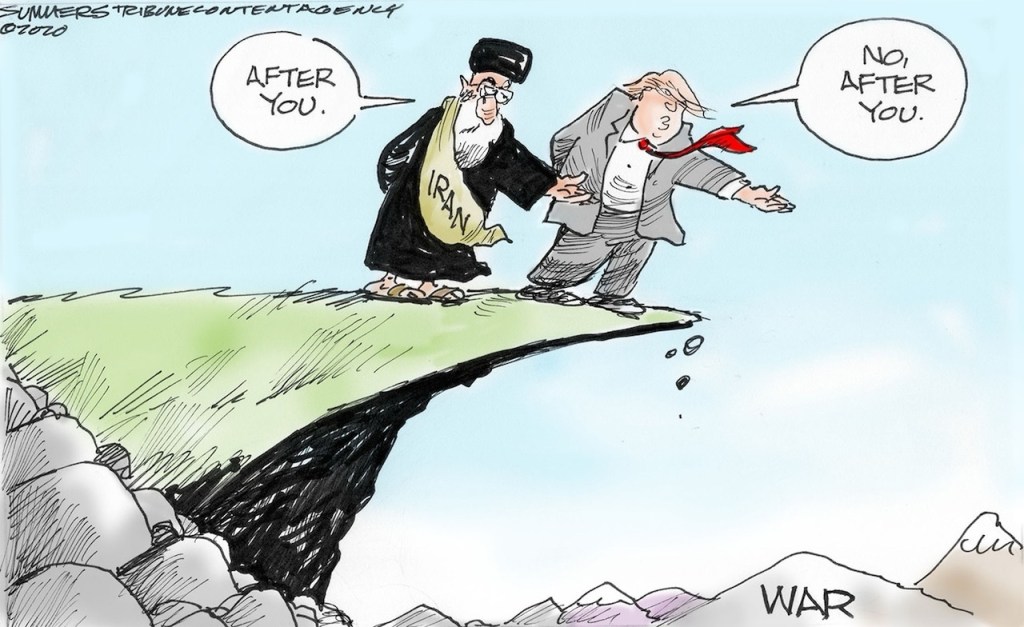
In 2018, during his first term as occupant of White House, President Donald Trump unilaterally withdrew the United States from the Joint Comprehensive Plan of Action (JCPOA), the Iran nuclear deal negotiated under President Obama.
I am sure that this withdrawal was mainly because the black guy did it and anything under Obama had to be bad.
The agreement had successfully curbed Iran’s nuclear ambitions in exchange for economic sanctions relief, with regular international inspections ensuring compliance. By scrapping the JCPOA, Trump abandoned a multilateral framework that was effectively containing Iran’s nuclear program, and instead reimposed harsh sanctions under a “maximum pressure” campaign. This strategy backfired: Iran resumed uranium enrichment beyond JCPOA limits, decreased cooperation with international inspectors, and tensions in the region sharply escalated.
Now, Trump ( the great deal maker) is reportedly signaling renewed interest in curbing Iran’s nuclear development—an issue that has only worsened since his decision to exit the deal. Critics argue that he is trying to solve a problem of his own making, having dismantled the very mechanism that was containing it. Without the JCPOA, U.S. leverage has weakened, and re-entering negotiations is far more complex. Trump’s shift underscores a broader pattern in his foreign policy: destabilizing functional agreements only to later propose fixes that mirror the original terms. This renewed focus on Iran highlights the enduring consequences of the JCPOA withdrawal—and the challenges of rebuilding trust and diplomatic ground lost.
Rank-and-file Republicans like to blame Biden for not getting this deal done after Trump had scrapped it. Truth of the matter is that when Trump tore up the deal that they had reached during the JCPOA they lost conference that any deal could be struck with the United States hence the problems we are having now
 Esoteric Meandering Shouting Into the Void