Dwain Northey (Gen X)
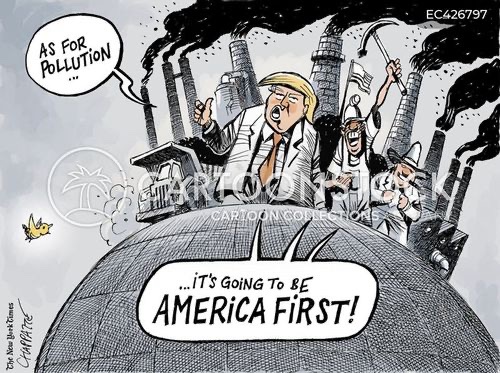
Donald Trump’s continued emphasis on coal as a cornerstone of American energy policy is counterintuitive in the face of 21st-century advancements in renewable and clean energy. Coal, a 19th-century technology, is increasingly outdated, both economically and environmentally. In contrast, hydrogen, solar, and wind power represent the future of energy: clean, scalable, and increasingly cost-competitive.
Solar and wind are now the cheapest sources of electricity in many parts of the world, including the U.S., with costs declining year after year. Battery storage and green hydrogen offer solutions to the intermittency challenges that once limited renewables, making them viable as base-load power sources. Furthermore, these industries are creating new jobs far faster than coal, which has been in long-term decline due to automation, market forces, and regulatory shifts—not just environmental policy.
Trump’s nostalgic rhetoric for coal ignores market realities and technological progress. Investing in coal infrastructure in the 2020s is akin to doubling down on the steam engine after the invention of the jet. While coal once fueled industrial growth, its high emissions, environmental degradation, and rising costs of mitigation make it a poor candidate for future investment.
Clinging to coal as a symbol of energy independence is not just economically shortsighted—it actively undermines America’s competitiveness in the global clean energy race. Renewables and hydrogen are not only cleaner but smarter investments that align with global trends, investor demand, and the urgent need to address climate change. Coal’s revival is not patriotic—it’s regressive.
 Esoteric Meandering Shouting Into the Void