Dwain Northey (Gen X)
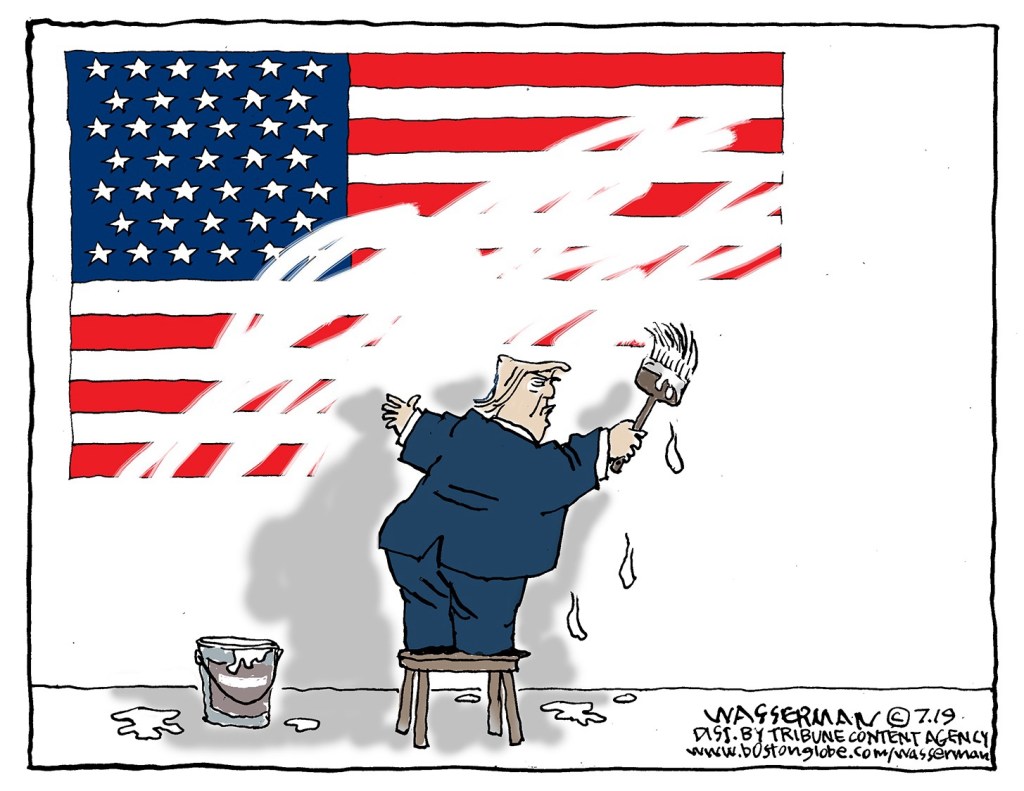
The Republican Party has long embraced patriotic symbolism, with the American flag occupying a central role in its identity. Flag pins on lapels, flag-themed campaign ads, and calls to “defend the flag” are staples of conservative political rhetoric. Yet, during Joe Biden’s presidency, some Republicans dramatically flew the flag upside down—a signal of distress under the U.S. Flag Code—claiming the nation was in imminent danger. This symbolic act, rooted in a deep refusal to accept Biden’s legitimacy, wasn’t just protest; it was a signal of perceived existential crisis tied to their vision of America—a vision often nostalgic, exclusionary, and steeped in selective memory.
The irony is striking. The same party that lambasts athletes for kneeling during the national anthem, calling it disrespectful, openly engaged in a form of protest that equates political opposition with national collapse. Their symbolic distress wasn’t over the erosion of rights or institutions, but often over the loss of cultural dominance and political power—a resistance to diversity, equity, and historical reckoning that many conservatives view as a threat to “traditional” America.
Now, as new waves of concern rise over real threats to democracy—like voter suppression laws, the undermining of judicial independence, and political violence—those same Republicans scoff at the idea that democracy is in danger. They dismiss legitimate fears as hysteria, even as their own party flirts with authoritarian tactics and disinformation. The flag, once a shared symbol of unity, has become a partisan tool—a banner of grievance rather than one of justice. This selective outrage reveals not a deep love for the Constitution or democratic principles, but a desire to preserve power under the guise of patriotism. It’s not about the flag—it’s about who they believe it truly belongs to.
 Esoteric Meandering Shouting Into the Void