Dwain Northey (Gen X)
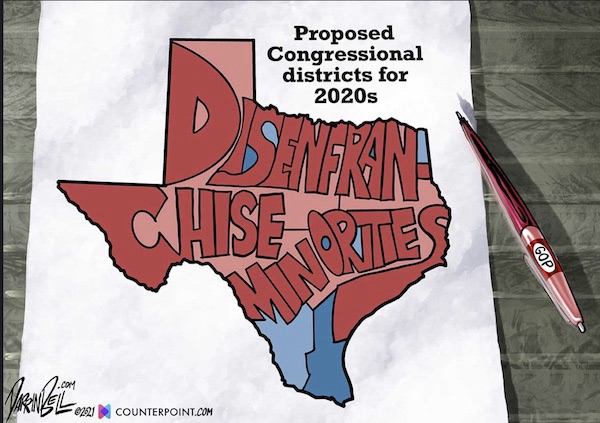
The GOP is increasingly concerned that its hardline policies—on abortion, immigration, and voting rights—could alienate moderate voters in the 2026 midterm elections, potentially costing them control of the House of Representatives. In response, Texas Republicans have taken proactive measures to secure their hold on power through redistricting and gerrymandering. By redrawing district lines to dilute Democratic votes and strengthen Republican-leaning areas, they hope to maintain or even expand their congressional seats, regardless of popular vote trends. This strategy reflects a broader national GOP effort to entrench power amid shifting demographics and growing backlash against controversial policies.
The question arises: should Democratic-controlled states respond in kind? Ethically, many argue that Democrats should hold the moral high ground by advocating for fair, nonpartisan redistricting. But politically, unilaterally disarming in the face of aggressive gerrymandering may weaken their ability to compete in a skewed system. If Republicans continue to manipulate district maps for advantage, some believe Democratic states must adopt the same tactics—at least until national reforms like independent redistricting commissions become standard. The balance between democratic integrity and political survival is a tough one, and with the stakes as high as control of the House, both strategy and principle are being tested.
 Esoteric Meandering Shouting Into the Void