Dwain Northey (Gen X)
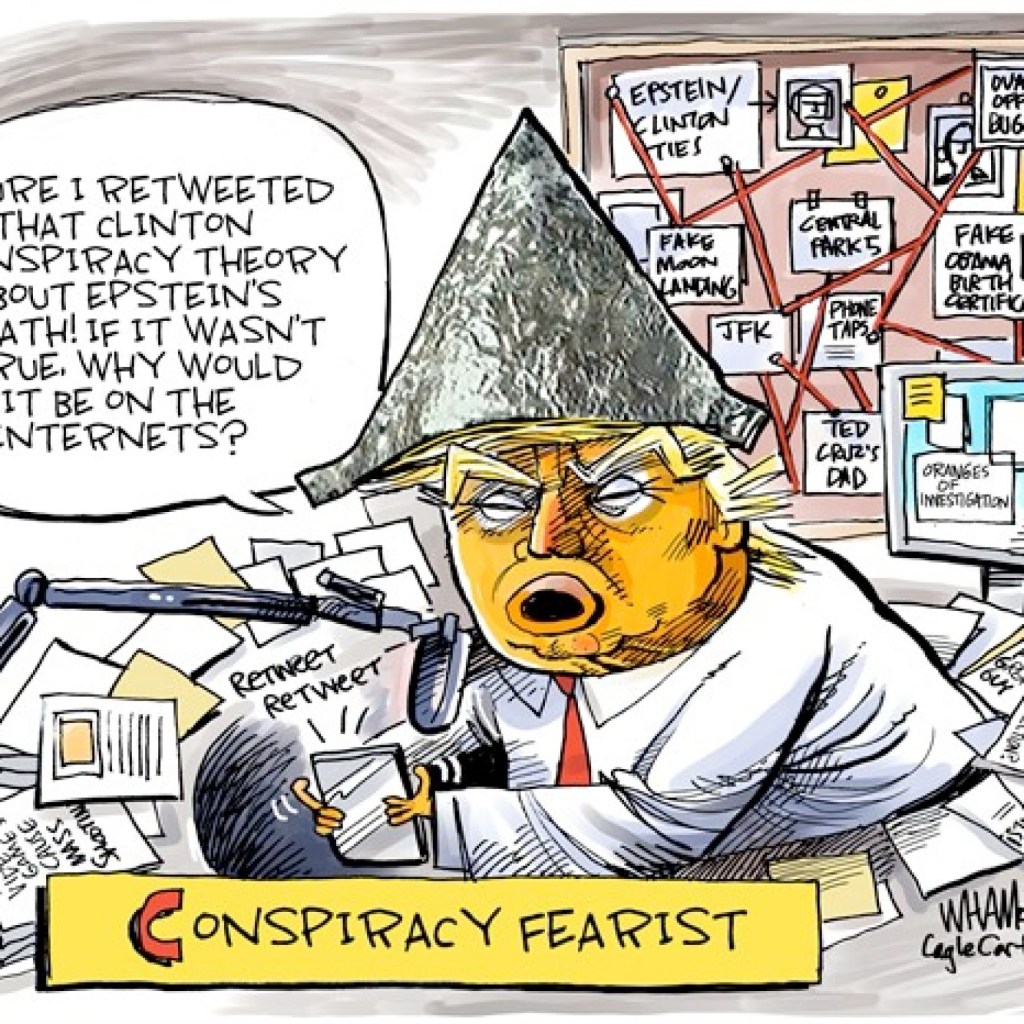
The rise of conspiracy theories in recent years has been fueled by a confluence of societal, psychological, and technological factors. The internet and social media have played a pivotal role, amplifying misinformation and connecting like-minded individuals who may feel alienated from mainstream discourse. Events that generate uncertainty or fear—such as political instability, pandemics, or economic downturns—create fertile ground for conspiracy thinking, as people seek order and explanation in the face of chaos.
Psychosocial behavioral therapists often equate belief in conspiracy theories to a maladaptive coping mechanism rooted in cognitive distortions, such as confirmation bias, proportionality bias, and the illusion of control. These beliefs can serve a psychological function by reducing feelings of powerlessness, restoring a sense of agency, or creating an in-group identity that validates personal worldviews. In times of stress or trauma, conspiracy theories can act as a framework for understanding complex or painful realities in simpler, emotionally satisfying terms.
Therapists also point to underlying mental health factors such as anxiety, mistrust, and past trauma as potential contributors. Individuals with low self-esteem or those who have experienced marginalization may find comfort in alternative narratives that frame them as privy to hidden truths. Furthermore, a distrust in institutions, often stemming from real or perceived grievances, reinforces a susceptibility to conspiracy ideation.
Behavioral therapy approaches address these tendencies by challenging cognitive distortions, promoting critical thinking, and developing healthier ways to cope with uncertainty. Therapists work with clients to explore the emotional needs that conspiracy beliefs fulfill, and to find more constructive ways to meet those needs. Ultimately, understanding the psychosocial roots of conspiracy thinking allows for more compassionate and effective interventions, not just at the individual level, but also through public education and community mental health initiatives.
 Esoteric Meandering Shouting Into the Void