Dwain Northey (Gen X)
A parliamentary system and the U.S. system (called a presidential system) are two different ways of running a government.
In a parliamentary system (like in the UK or Canada), people vote for a political party. The party that wins the most seats in Parliament chooses the leader, called the Prime Minister. This leader is part of the law-making group and works closely with it. If the Prime Minister loses support, they can be removed quickly by a vote.
In the U.S. system, people vote separately for the President and for Congress (which includes the Senate and House of Representatives). The President is not part of Congress and cannot be easily removed unless they break the law. This system divides power more strictly between different branches of government.
Which one represents the people better? It depends.
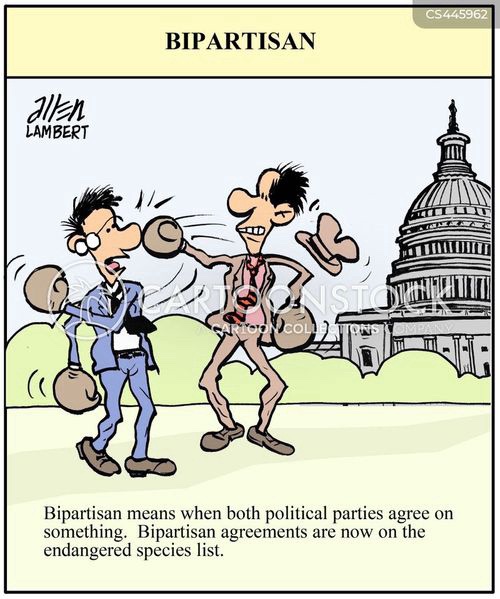
Parliamentary systems can make decisions faster because the leader and lawmakers are usually from the same party. They can quickly pass laws that reflect what the people voted for. The U.S. system is slower, but it has more checks and balances. This can protect against one group having too much power, but it also means more gridlock and less action.
So, parliamentary systems may represent the people’s vote more efficiently, while the U.S. system focuses more on limiting power and protecting minority views.
 Esoteric Meandering Shouting Into the Void