Dwain Northey (Gen X)
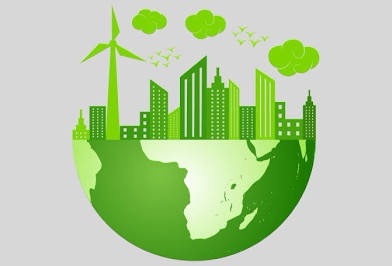
Sustainability is often associated with clean energy solutions like wind and solar power, which are crucial in the global effort to reduce greenhouse gas emissions and combat climate change. These technologies offer long-term, renewable alternatives to fossil fuels and are critical in transitioning to a low-carbon economy. However, focusing solely on energy overlooks another significant aspect of sustainability: the materials we use in everyday products. To truly build a sustainable future, we must also address the destructive impacts of traditional industries—like logging—and turn toward renewable, fast-growing alternatives such as hemp and bamboo.
Old growth forests and regions like the Amazon rainforest are being destroyed at alarming rates to support industries such as paper production, textiles, and construction. These forests are not just carbon sinks but irreplaceable ecosystems that support biodiversity and regulate the global climate. The continuation of logging in these regions perpetuates environmental degradation, biodiversity loss, and the displacement of Indigenous communities.
Hemp and bamboo offer compelling solutions. Both are highly renewable and grow rapidly compared to traditional trees. Hemp can be harvested in just four months and grows in a variety of climates without the need for pesticides or herbicides. Bamboo, one of the fastest-growing plants on Earth, can regenerate without replanting, making it an ideal material for everything from construction to textiles and even paper. These crops can be cultivated on land unsuitable for traditional agriculture, reducing pressure on forests and food-producing areas.
Beyond their environmental benefits, hemp and bamboo also hold significant economic potential. Industries that rely on deforestation could shift to these alternatives without losing profitability—in fact, they might find new markets and efficiencies. Hemp is already being used in bioplastics, packaging, clothing, and paper, while bamboo has gained traction in construction, flooring, and even biodegradable utensils. Investing in processing infrastructure and supply chains for these crops could create jobs, stimulate rural economies, and build a more resilient, circular economy.
In short, while clean energy is a critical component of sustainability, it’s only one piece of the puzzle. To truly live in harmony with the planet, we must rethink not just how we power our lives but also the materials we consume. Shifting to sustainable crops like hemp and bamboo offers a clear path away from deforestation and toward a greener, more profitable future.
 Esoteric Meandering Shouting Into the Void