Dwain Northey (Gen X)
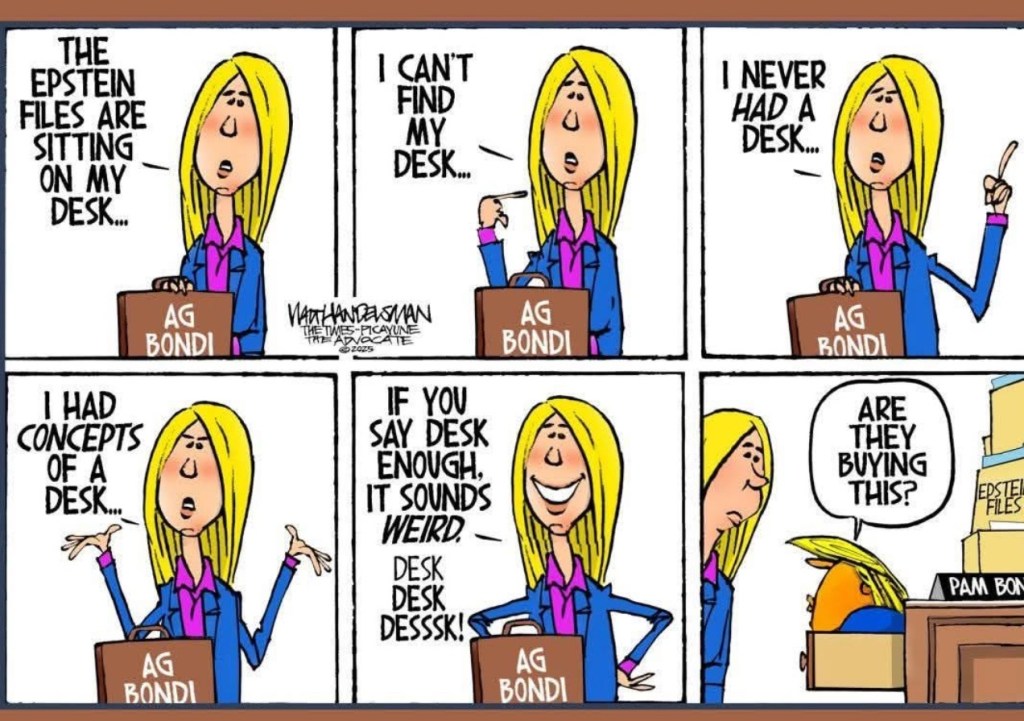
The term “credible” is doing a tremendous amount of heavy lifting these days—especially in defense of Donald Trump and the establishment’s persistent unwillingness to release the full Epstein files. When allegations arise or associations are uncovered, we are constantly told that only “credible” claims warrant public concern. But who defines credible? Who gets to decide which victims, whistleblowers, or witnesses meet that opaque threshold?
In Trump’s case, “credible” becomes a shield—a way to dismiss or delay engagement with accusations. His defenders insist there’s no credible evidence of wrongdoing despite stacks of lawsuits, documented payouts, and a mountain of suspicious behavior. The bar for credibility is raised so high it’s virtually unreachable, especially when applied to people who lack institutional power. Claims must be impeccably documented, unemotional, and vetted by a media establishment often complicit in protecting elites. Meanwhile, Trump’s own lies, contradictions, and conspiracies are granted infinite grace.
Nowhere is the weaponization of credibility more stark than in the Epstein case. We are told time and again that only certain allegations, only certain documents, only certain names are credible enough for public release. The rest remain sealed—presumably to protect the reputations of men who walked too close to Epstein’s orbit. But “lack of credibility” is not a reason to suppress evidence; it’s often just an excuse to avoid accountability.
This double standard reveals a painful truth: credibility is not a neutral metric, but a gatekeeping tool used by institutions to protect power. If the Epstein files were fully released, the public could decide for themselves what is credible. But as long as that decision remains in the hands of those with something to lose, credibility will continue doing the heavy lifting of silence.
 Esoteric Meandering Shouting Into the Void
One response to “Credible ?”
Well said! Let us decide!
LikeLike