Dwain Northey (Gen X)
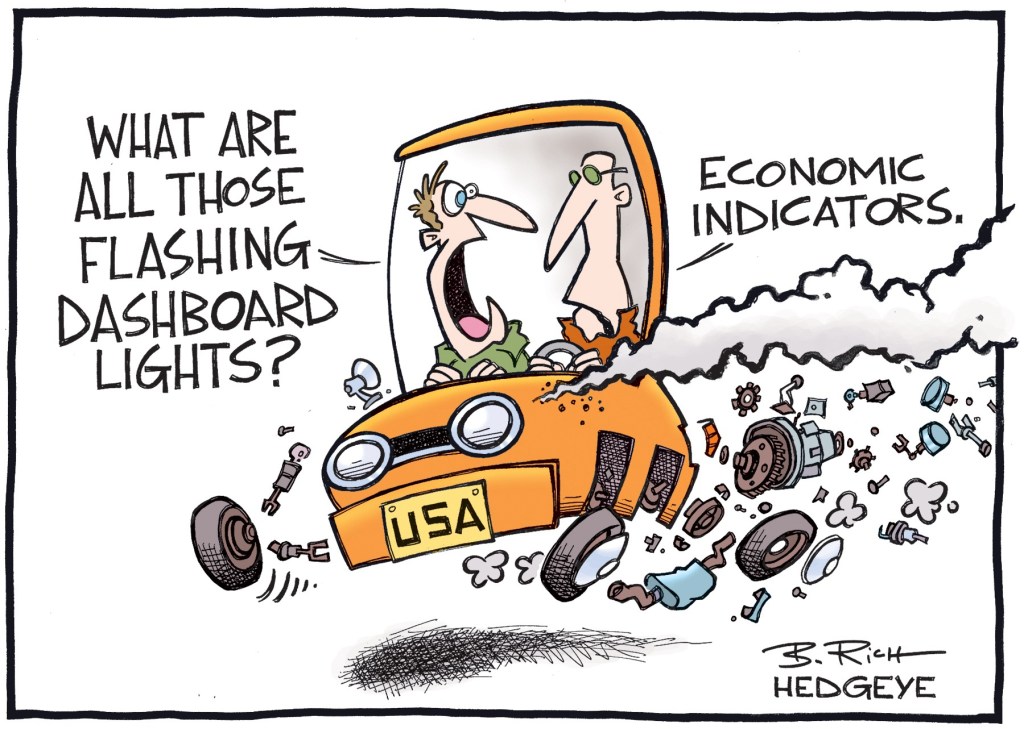
It’s no accident that under the current Trump administration, access to clear, reliable economic data has become murky, and public understanding of what’s actually happening with inflation, growth, and labor markets has been clouded by a relentless flood of misinformation. What Trump’s team has excelled at isn’t sound economic policy—it’s narrative manipulation. The administration has gutted key agencies, sidelined experts, and twisted data to serve political ends, creating a smoke-and-mirrors economy where perception is more important than reality.
The Department of Labor, the Bureau of Economic Analysis, and even the Federal Reserve have come under political pressure to toe the line or face marginalization. Economists who once had institutional backing to present nuanced, sometimes inconvenient truths have either been pushed out or ignored. The Trump administration has chipped away at data transparency by withholding reports, editing press releases, or flooding the media space with contradicting, partisan claims. The result? A population left in the dark about what’s really happening with wages, cost of living, and long-term economic health.
Take inflation, for example. While the administration touts “booming” consumer spending or record stock market numbers as evidence of success, it buries the deeper truth: inflation has steadily eroded real purchasing power for average Americans. Meanwhile, Trump and his spokespeople point fingers—at immigrants, at the Fed, at previous administrations—while cherry-picking short-term metrics that make the economy seem stronger than it is. The administration has carefully crafted the illusion of prosperity, often by parroting manipulated job numbers or GDP figures taken out of context.
Moreover, Trump’s approach to economic messaging has shifted the role of data from a shared truth to a partisan weapon. This administration understands that if you control the narrative, you control perception. And if people believe the economy is strong, they’ll act accordingly—even if it’s built on fiction. That’s the real success: not economic performance, but narrative domination.
So yes, the Trump administration has done a “good job”—just not in service of the truth. They’ve mastered the art of masking economic pain with patriotic rhetoric and selective statistics. And in doing so, they’ve eroded the public’s ability to distinguish between fact and fiction when it comes to the economy—a dangerous legacy that will outlast any one presidency.
 Esoteric Meandering Shouting Into the Void