Dwain Northey (Gen X)
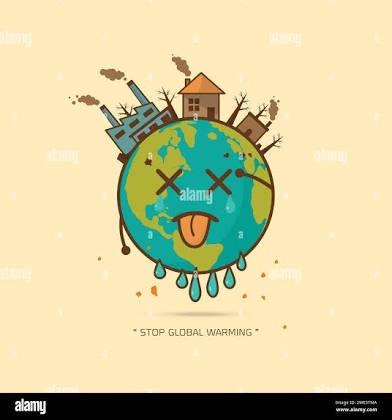
If humanity stopped producing atmospheric CO₂ today—every coal plant shut down, every gas car parked, every factory and airplane silenced—would it be too late to stop global warming? Unfortunately, the short answer is: it’s too late to avoid all warming, but not too late to stop it from getting much worse.
Here’s why.
The CO₂ already in our atmosphere acts like a thick blanket, trapping heat. Even if we never added another molecule, the climate system would still be warmer than it was before the Industrial Revolution, and much of that extra heat would remain for centuries. That’s because CO₂ is stubborn. While natural systems—oceans, forests, and soils—start absorbing some of it right away, a significant fraction lingers for hundreds to thousands of years. Scientists estimate that about 20–35% of today’s excess CO₂ will still be in the air long after our great-great-grandchildren are gone.
Stopping emissions immediately would halt the rise in CO₂ levels, and temperatures would likely stabilize within years to a few decades. That’s the good news: the climate wouldn’t keep getting hotter and hotter. But stabilizing is not the same as reversing. The heat we’ve already locked in means melting glaciers, rising seas, altered rainfall patterns, and stressed ecosystems will continue for decades, even without new emissions. Some effects, like sea-level rise from thermal expansion and ice melt, will play out over centuries.
In practical terms, this means we’ve missed the window to keep global temperatures at pre-industrial levels without geoengineering or massive CO₂ removal. Even if we stopped all emissions today, we would still live in a permanently altered climate—one with more extreme weather, disrupted agriculture, and shifting habitats. The Earth won’t “go back” on its own in our lifetimes.
However, “too late” doesn’t mean “pointless.” Every fraction of a degree matters. The difference between 1.6°C and 2.0°C of warming could be the difference between coral reefs surviving or vanishing, between manageable droughts and catastrophic ones, between millions displaced and tens of millions. If we stop emissions now, we stop digging the hole deeper. That’s not defeat—that’s damage control on a planetary scale.
So, yes: it’s too late to avoid all the consequences of global warming. But it’s not too late to decide how bad those consequences will be. The climate’s future is still partly in our hands. What we do—or don’t do—now will determine whether the next generations inherit a wounded planet… or a dying one.
 Esoteric Meandering Shouting Into the Void