Dwain Northey (Gen X)
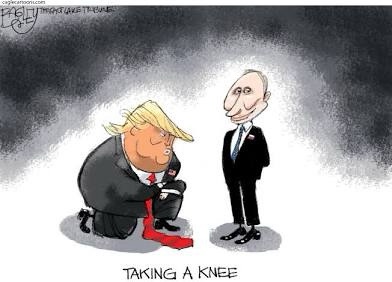
After witnessing earlier this week, Donnie’s pure act of boot, licking to Putin my OCD brain wanted to explore the history and significance of the red carpet so here we go.
The red carpet has long been a symbol of honor, prestige, and ceremony, but its meaning has shifted depending on who it is rolled out for. The earliest known reference dates back to ancient Greece, where in Aeschylus’s play Agamemnon (458 BCE), the returning king is greeted with a crimson pathway. Yet even in that story, the symbolism is complicated—Agamemnon hesitates to walk on it, recognizing that such extravagance borders on arrogance. Later, the tradition resurfaced in imperial courts and religious ceremonies, where a red carpet or tapestry marked the presence of royalty or divinity. By the 19th and 20th centuries, the practice evolved into its modern association with heads of state, dignitaries, and Hollywood stars alike. A rolled-out red carpet became shorthand for importance, welcome, and deference.
But symbolism cuts both ways. A red carpet is not just an aesthetic gesture—it communicates legitimacy, reverence, and, in many cases, approval. That is why rolling out the red carpet for an authoritarian leader, particularly one accused of war crimes, does not send a message of strength. It sends a message of accommodation. Rather than projecting dominance, it signals that the visitor’s stature outweighs their misdeeds, that diplomatic theater matters more than moral clarity.
When world leaders accused of aggression and brutality are greeted with the same ceremonial honors as allies and partners, the symbolism blurs into complicity. The spectacle is not neutral; it validates power at the expense of principle. To greet such a figure with pomp rather than skepticism is to elevate them onto the same plane as leaders who uphold international law, instead of making them confront the weight of their actions.
True strength lies not in theatrics but in conviction. A leader who rolls out the red carpet for a pariah is not standing tall on the world stage but bowing to optics. It diminishes the moral authority of the host country and emboldens those who thrive on image over accountability.
In the end, the red carpet is only fabric, but it carries centuries of symbolic baggage. Who walks upon it matters as much as the act itself. To extend that honor to someone facing accusations of war crimes is not diplomacy at its finest—it is weakness dressed in velvet.
 Esoteric Meandering Shouting Into the Void