Dwain Northey (Gen X)
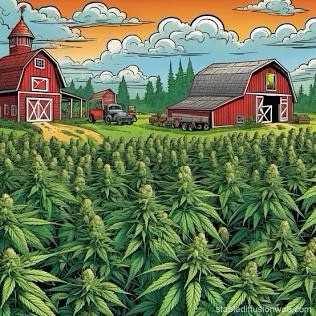
For decades, the word “hemp” conjured images of stoner stereotypes, Bob Marley posters, and a cloud of suspicion from anyone in a suit. Meanwhile, the actual plant sat in the corner of history, raising its hand like the quiet kid in class who knows the answer but is ignored. Now, in the middle of a so-called green revolution, we’ve suddenly remembered: oh right, hemp isn’t just about THC and joints—it’s about survival.
This is not discovery. This is rediscovery, with a touch of sheepishness. Long before hemp was outlawed into obscurity, it was one of civilization’s favorite multi-tools. Builders mixed it into walls, sailors relied on it for ropes and sails, and farmers knew it was a crop that grew fast, needed little pampering, and gave back more than it took. Then, thanks to the chemical industry and some paranoia about its psychoactive cousin, hemp was demonized into exile. We paved paradise, burned oil, and forgot the plant that could’ve helped us all along.
Take hempcrete. Today’s architects and engineers treat it like the hot new eco-material, yet medieval Europeans were already using hemp-lime mixtures to build walls that resisted fire, pests, and decay. Hempcrete doesn’t just sit there—it actively absorbs carbon dioxide as it cures. Concrete, by contrast, is a climate villain, responsible for up to 8% of global CO₂ emissions. Hempcrete says, “hold my stalks, I’ll fix that.” And still, we act like we’ve stumbled on some magical innovation rather than simply picking up where our ancestors left off.
Or consider clothing. We fell head over heels for cotton, a thirsty diva of a crop that demands pesticides and gallons upon gallons of water. Meanwhile, hemp just grows—sturdy, low-maintenance, and producing fibers that are stronger and more durable than cotton. It was once the backbone of maritime empires: ropes, sails, uniforms. Today, it’s sustainable fashion’s “latest trend,” when in fact it’s a centuries-old standard we rudely ghosted.
And let’s not forget Henry Ford. Nearly a hundred years ago, he unveiled a car with a hemp-based body and designed it to run on hemp biofuel. That’s right—before Teslas, before “sustainable mobility,” there was Ford swinging a mallet at a hemp composite panel to show off its strength. But Big Oil wasn’t about to let some plant upstage its empire, so hemp went into hibernation while we built a society addicted to fossil fuels. Now, as we scramble for greener cars, we’re rediscovering what Ford already knew: hemp had the answers all along.
The rediscovery of hemp is humbling, but it’s also instructive. If hemp could sit ignored for decades while its benefits were obvious, what other plants are hiding in plain sight? Kenaf could replace plastics and paper. Bamboo might be the steel of tomorrow. Algae could be fuel, food, and climate salvation all at once.
The truth is, the green revolution isn’t about innovation—it’s about amnesia. We’re not inventing our way into sustainability. We’re crawling back to ideas we once abandoned, embarrassed that the solutions were growing in our fields the whole time. Progress, it turns out, might just mean rediscovering the wisdom we were too arrogant to remember.
 Esoteric Meandering Shouting Into the Void