Dwain Northey (Gen X)
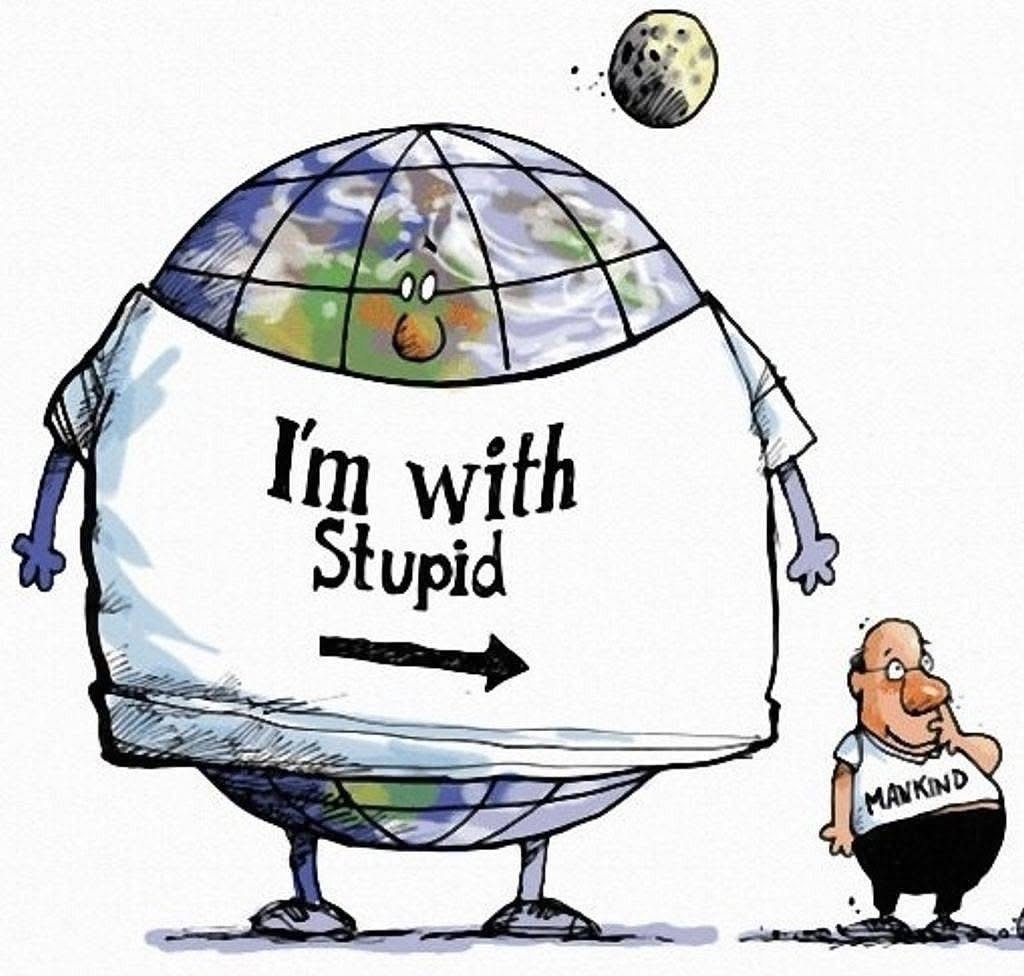
For millions upon millions of years, this planet has turned on its axis, circled its star, shifted its continents, and birthed life forms beyond our imagination. The Earth has known fire and ice, has weathered asteroid strikes, mass extinctions, and the slow grinding of glaciers. Dinosaurs once thundered across its plains, then vanished, leaving only bones and echoes. Giant ferns rose and fell, seas receded and returned, mountain ranges grew and eroded, and through it all, the Earth remained. It was never delicate, never fragile, despite how often we describe it that way. The planet does not need us—it never has. Long before humanity, it thrived, and long after we are gone, it will adapt, evolve, and continue in ways we cannot fathom.
And yet, here we are, one curious species among millions, a genetic accident—or miracle, depending on your lens—that stumbled into consciousness. Somewhere in our evolutionary past, a spark lit. We became aware not only of our surroundings but of ourselves. We could reflect, imagine, plan, and invent. This gift—or curse—set us apart. Unlike the other animals, we did not simply live within nature’s cycles; we sought to bend them, reshape them, control them. Fire was harnessed, tools were sharpened, stories were told. Civilization arose from this restless mind that could not be satisfied with mere survival.
But there’s a catch. Consciousness brought not only creativity but destruction. The same hand that painted on cave walls eventually built bombs capable of erasing cities. The same ingenuity that made medicine also engineered poisons. Our minds, capable of love and empathy, are equally capable of cruelty and indifference. From the moment we stood upright and gazed across the horizon, we were walking toward destiny—though that destiny has always been a double-edged sword.
Some would argue it is triumph: humanity, the thinking animal, has built civilizations, mapped the stars, split the atom, and unlocked the code of life itself. Others would say it is tragedy: the same species now warms its planet, strips its forests, poisons its waters, and builds machines of annihilation. Every step forward seems to carry with it the seed of collapse. We invent agriculture, then create famine. We discover fossil fuels, then choke the skies. We devise weapons for defense, then use them for slaughter. If it is destiny we walk toward, perhaps it is not progress but a slow, deliberate march to self-destruction.
And yet, it is not the Earth that trembles. We imagine that our downfall would drag the world with us, but the planet does not depend on us. If the oceans rise and drown our cities, Earth will still roll on. If the forests burn and the skies darken, new ecosystems will grow in time. If nuclear fire scorches the surface, life—of some form—will claw its way back, as it always has. Humanity may be a flicker, brilliant but brief, in the vast history of this planet.
Perhaps that is our lesson: we are temporary. The Earth is not. Our consciousness, our genius, our hubris—these are unique, but not eternal. Whether by mistake or triumph, we became a species that could think about its own end. And in doing so, perhaps we have always been walking, knowingly or not, toward it.
 Esoteric Meandering Shouting Into the Void