Dwain Northey (Gen X)
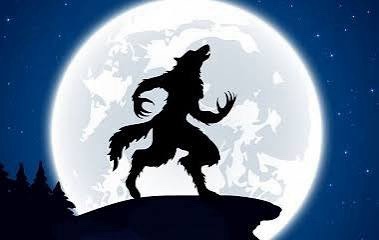
It’s nearly October and Halloween spirit stores are open and the childish pleasure of Halloween and horror stories is definitely in the air. So I’m gonna start now on explaining many of the legends of Halloween and maybe make them into a semi spooky story.
On a cold October night, when the air grows thin and the shadows seem to move on their own, old words whisper their secrets. One of those words is “lu.” Long ago, in the tongues of our ancestors, lūna meant the moon, casting its pale light across a haunted world. In French, loup meant wolf, the prowling creature of the dark forests that surrounded their villages. Over centuries, these words tangled together in folklore, and soon “lu” was tied to both the light of the moon and the howl of the wolf.
But how did the two become inseparable in legend?
The earliest tales spoke of men cursed to wear the skin of wolves. In Greece, there was Lycaon, who angered Zeus and was transformed into a beast. In the icy north, Norse warriors donned wolf pelts, believing they could channel the fury of the animal. Yet none of these tales mentioned the moon. That came later, when villagers looked up at the swollen full moon and felt its strange pull. It was said the moon stirred madness—lunacy—making men restless, unstable, even violent. And when the wolves howled at that silver disc in the sky, what could be more natural than believing it called to their human brothers in disguise?
So the myth was born: under the full moon’s light, a man cursed with the blood of the wolf would twist and break, his bones reshaping, his voice becoming a howl. It was not just the wolf in the forest to fear—it was the neighbor, the farmer, the friend, who by night might bare his fangs.
And as Halloween approaches, when the moon rides high and the night grows long, the old warning echoes still:
When the lu (moon) shines brightest, the wolf may be walking among us.
 Esoteric Meandering Shouting Into the Void