Dwain Northey (Gen X)
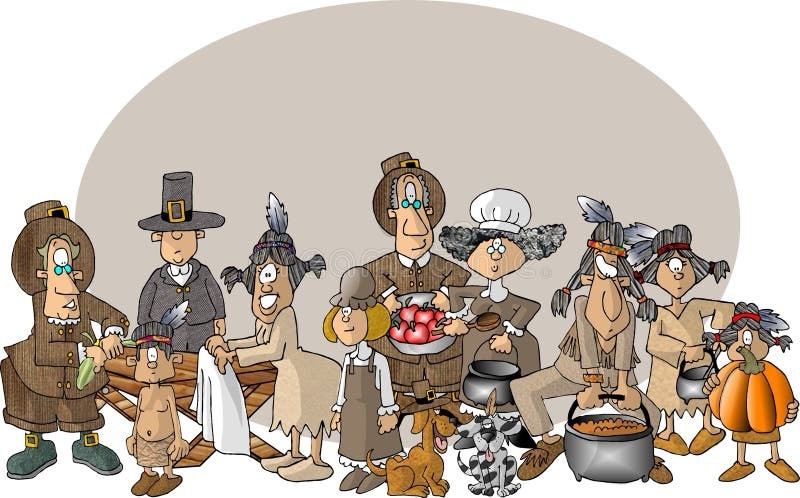
The story of the first Thanksgiving is often told like a warm, soft-focus commercial: noble Pilgrims, helpful Wampanoag, long tables groaning under the weight of roasted fowl and whatever passed for carbs in 1621. It’s a cozy scene—so cozy, in fact, that it politely ignores one inconvenient detail: it makes absolutely no sense.
Let’s be honest. If you’ve spent months clawing survival out of the unforgiving New England dirt, buried half your companions, and are staring down another winter that promises the charm of Maine but with none of the L.L. Bean catalogs, the last thing you should do is throw a multiday blowout feast. But that’s exactly what happened. They gathered up the harvest—a modest one, mind you—and instead of rationing it with the disciplined paranoia that cold climates demand, they decided, “You know what? Let’s invite guests. Lots of them. And let’s eat like we’re not about to freeze solid by January.”
Brilliant.
It’s almost touching in its optimism. Or delusion. Or maybe it’s the first example of Americans committing to a tradition simply because it looked good in the moment, practicality be damned. After all, winter starvation was practically a seasonal hobby in those parts. Nothing says “we’re totally going to survive this” like blowing through your hard-won food right as the days get shorter and your vegetables begin contemplating their own mortality.
And yet, maybe that’s the real heart of the story. Not peace, not unity, not even the shared meal—just the audacity of human beings choosing celebration over common sense. A moment of joy in a landscape that promised anything but. A collective, historic shrug of “Eh, we’ll figure it out.”
So perhaps the first Thanksgiving wasn’t a brilliant plan. It wasn’t strategic. It certainly wasn’t logical. But it was defiantly, irrationally human. And given what the next few centuries had in store, a little reckless optimism might have been the wisest thing they did after all.
 Esoteric Meandering Shouting Into the Void