Dwain Northey (Gen X)
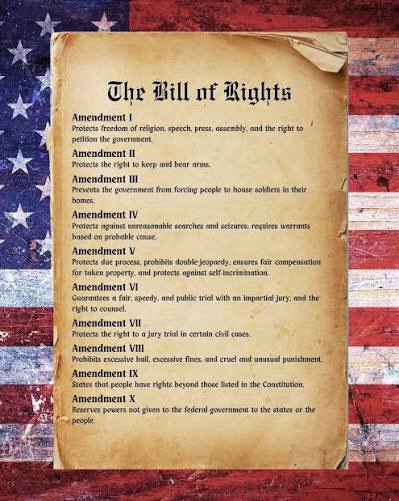
Let’s begin with the First Amendment, the crown jewel of American freedom: speech, religion, press, assembly, and petition. The very amendment that allows people to scream “I hate liberals” on the internet without being arrested by the state. Irony alert 🚨—the same folks who defend this amendment most loudly tend to forget that it exists specifically to protect dissent, minority opinions, and unpopular ideas. In other words: the exact things liberals keep insisting should be protected when you’d rather they shut up.
The Second Amendment comes next, and yes, everyone loves to treat it like it was delivered from Mount Sinai on an AR-15. But even here, thank a liberal—or at least a proto-liberal Enlightenment thinker—for the radical idea that power should not be monopolized by the state. The same philosophical tradition that gave you gun rights also gave you labor rights, civil rights, and the annoying insistence that the government shouldn’t trample people it doesn’t like. You don’t get to cherry-pick the philosophy without looking foolish.
The Third Amendment—no forced quartering of soldiers—is a direct response to government overreach. You know, that thing liberals won’t shut up about. It’s almost as if the Founders were deeply suspicious of unchecked authority and believed private citizens deserved autonomy in their own homes. Weird how that sounds like modern liberal arguments about privacy and bodily autonomy, isn’t it?
The Fourth Amendment protects against unreasonable searches and seizures. This one really stings, because every time a liberal complains about mass surveillance, warrantless wiretapping, or militarized policing, they’re just rereading the Constitution out loud. If you enjoy not having the government rummage through your life because you “seemed suspicious,” you can send a thank-you card to civil libertarians.
The Fifth Amendment gives us due process, the right to remain silent, and protection from self-incrimination. This amendment alone has probably saved more self-described “law and order” types than they’d ever admit. Funny how quickly “I know my rights” becomes a liberal talking point the moment a cop asks too many questions.
The Sixth and Seventh Amendments guarantee fair, speedy trials and juries of peers. Again, radical stuff: the idea that the state must prove its case, that individuals aren’t disposable, and that justice shouldn’t be arbitrary. These aren’t conservative ideas. They’re liberal ones—rooted in the belief that individuals matter more than institutions.
The Eighth Amendment bans cruel and unusual punishment, which is apparently controversial now. The notion that even guilty people retain basic human dignity is peak liberalism, and always has been. If your instinct is “some people deserve anything they get,” congratulations—you’ve just argued against the Bill of Rights.
Finally, the Ninth and Tenth Amendments acknowledge that rights exist beyond what’s written down and that power should be limited. This is the Founders openly admitting they didn’t think government—or themselves—should have total control. It’s humility baked into law, a concept modern reactionaries seem deeply allergic to.
So yes, by all means, keep hating “liberals.” Just remember: the freedoms you wrap yourself in like a flag were born from liberal philosophy, defended by liberal movements, and preserved by liberals when it became inconvenient. Every time you exercise your rights while sneering at the people who fight to protect them, you’re living proof that irony is still alive and well in America.
 Esoteric Meandering Shouting Into the Void