Dwain Northey (Gen X)
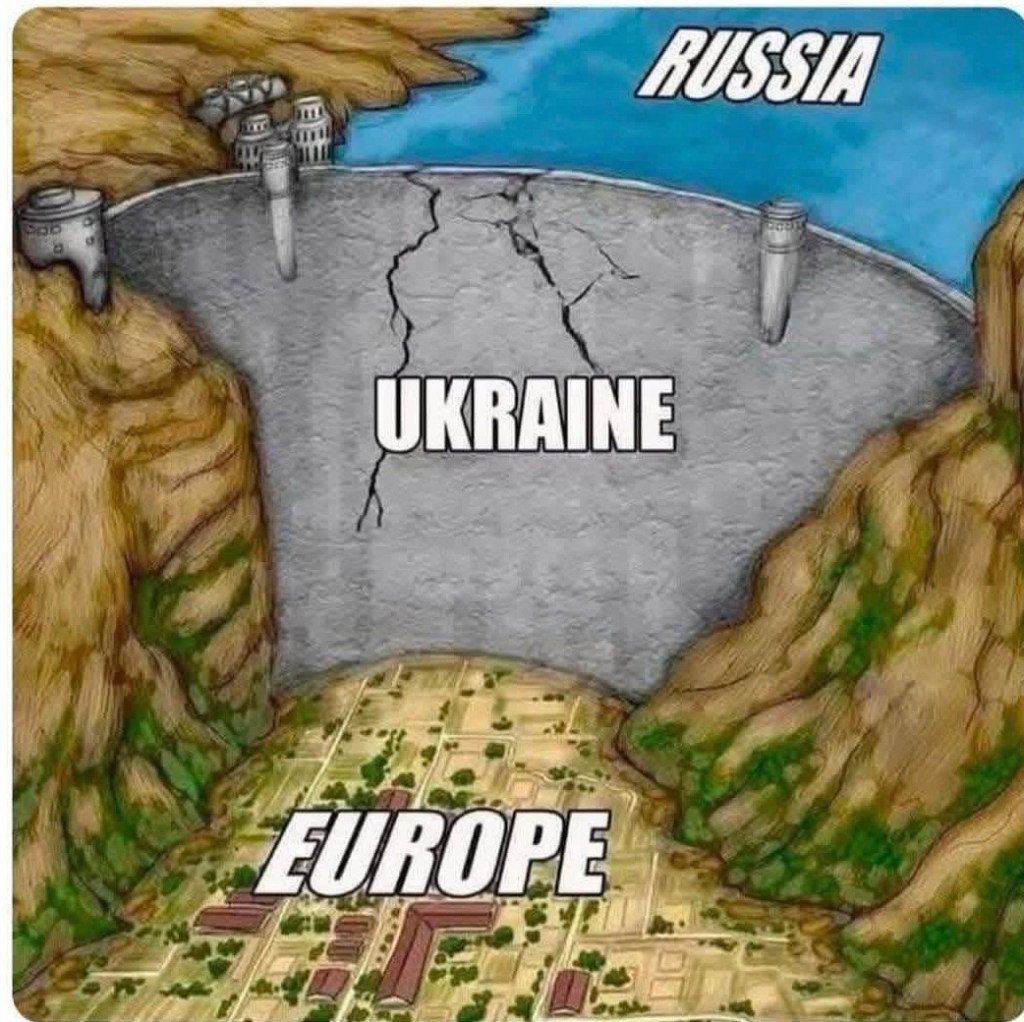
Somewhere between a gated golf community and a buffet groaning under the weight of shrimp cocktail, Volodymyr Zelenskyy has apparently been summoned to Florida to discuss a “peace deal” for Ukraine with Dumb Donald—because nothing says gravitas like geopolitics conducted in flip-flops, under a chandelier shaped like a bald eagle clutching a tax write-off.
The premise, we’re told, is peace. The fine print, as always, is surrender—tastefully framed as “compromise.” In this version of diplomacy, Ukraine gets peace the way a mugging victim gets “closure” after handing over their wallet, phone, and dignity. Putin, naturally, gets everything he wants, because in Trumpworld the customer is always right—especially if the customer is a strongman with a taste for annexation and a fondness for shirtless photo ops.
Trump’s peace plan, if you can call it that, appears to be a real estate transaction where Ukraine is the distressed property and Russia is the buyer with cash and a menacing stare. “Look,” Trump might say, “it’s a beautiful country, tremendous land, but maybe too much land. Nobody needs that much land. We’ll give Putin a little—okay, a lot—and everyone’s happy.” Everyone, that is, except the people who actually live there.
Zelenskyy, meanwhile, plays the role of the earnest negotiator invited to a rigged poker game. He’s there to discuss sovereignty while the house rearranges the furniture and quietly removes the exits. The ask is simple: give up territory, accept Moscow’s terms, smile for the cameras, and call it peace. Acquiesce now so the adults—by which we mean the autocrats—can get back to carving up maps like deli meats.
What makes this spectacle truly inspired is the scale of the giveaway. This isn’t just Ukraine on the chopping block; it’s a clearance sale on American influence itself. Eastern Europe? Toss it in. Asia? Why not—Putin might like a side dish. Alliances built over decades? Outdated. Democracy as a principle? Too messy. The Trump Doctrine, if it deserves the name, is simple: if a bully wants something, give it to him and declare victory.
And then there’s the sales pitch. We’ll be told this is “strength,” that surrender is savvy, that abandoning allies is actually leadership. We’ll hear that war is bad (true), so any peace—no matter how unjust, unstable, or humiliating—is good (false, but convenient). It’s the geopolitical equivalent of turning off the smoke alarm by removing the batteries and congratulating yourself on a quiet house.
In this Floridian fever dream, the world is reduced to a handshake deal struck over dessert, with Zelenskyy expected to nod along while the ink dries on his country’s dismemberment. Putin wins land, legitimacy, and momentum. Trump wins headlines and the illusion of being the guy who “fixed it.” The rest of us get a master class in how to lose a century’s worth of credibility before the valet brings the car around.
Peace is a noble goal. But peace that requires the victim to kneel while the aggressor sharpens his knife isn’t peace—it’s rehearsal. And if this is the deal being floated under the palm trees, then the real casualty isn’t just Ukraine’s borders. It’s the idea that the United States still stands for anything more than a bad bargain sold loudly and signed quickly, while the world watches and quietly updates its assumptions.
But here’s the plot twist that ruins the whole Florida Man morality play: Zelenskyy may have already walked into this sunburned negotiating room three moves ahead of both Trump and Putin. While everyone’s busy assuming Ukraine is about to be strong-armed into surrender, Zelenskyy quietly slides a condition across the table that sounds reasonable enough to pass the Trump sniff test: fine—maybe land changes hands, but only after a 60-day cease-fire and a legitimate vote by the people who actually live there.
This is where the record scratches.
A cease-fire? That thing Putin treats like a smoke break before the next shelling? And a vote? An actual vote, not the “99.7% approval” kind that magically appears after tanks roll through town? Suddenly the deal stops looking like a giveaway and starts looking like a trap—for the guys who thrive on chaos, fear, and rigged outcomes.
Because here’s the inconvenient truth: if the guns go quiet for 60 days, the propaganda loses oxygen. If international observers show up, the sham referendums fall apart. And if people are allowed to vote without soldiers “helping” them fill out ballots, the Kremlin’s fairy tale about liberated regions may collapse faster than a Trump casino.
Zelenskyy’s move is diabolically simple. He’s saying: If these regions truly want Russia, prove it—without bombs, without coercion, without fantasy numbers. Suddenly Putin has to choose between peace and control, and history suggests he hates peace almost as much as he hates transparency.
Trump, of course, might still call this a win. He’ll wave his hands, say “people voted, very fair, very legal,” and take credit for inventing democracy sometime between the cheeseburger and the press conference. But the irony is delicious: the man who distrusts elections everywhere else might accidentally endorse one that exposes the lie at the heart of Putin’s imperial cosplay.
So while Florida plays host to another episode of America’s Got Autocrats, Zelenskyy may be the only one in the room actually treating peace like something more than a branding exercise. He’s not rejecting compromise; he’s redefining it in a way that forces the loudest strongmen to do the one thing they fear most—stop shooting, step back, and let people decide.
Which, in the end, may be the most subversive move of all.
 Esoteric Meandering Shouting Into the Void