Dwain Northey (Gen X)
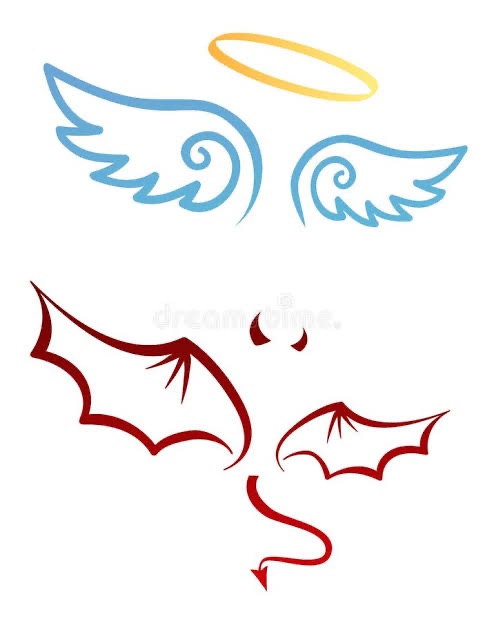
At some point, humanity sat down—probably without a formal meeting—and decided to become a very confident art director for the universe. Angels? Wings. Obviously. Evil? Horns, tail, maybe a little goatee if we’re feeling extra. No vote recorded. No footnotes. Just vibes.
What’s strange is how arbitrary it all is. Wings don’t imply goodness; flies have wings and they are universally despised. Horns are worn by goats, who are mostly just judgmental-looking lawn equipment. Tails belong to dogs, who are morally superior to most of us. Yet somewhere along the line, we decided feathers equal virtue and bone protrusions equal damnation, and then never revisited the decision.
Maybe it was about convenience. Wings let angels hover just above us—close enough to care, far enough to stay clean. Horns and tails make evil visually loud, impossible to miss, like a warning label you can spot from across the room. Subtle evil would’ve been far more troubling. Imagine if villains just looked… normal. That would’ve required introspection, and humanity has historically tried to outsource that whenever possible.
I suspect the real tell is that these symbols say more about us than about good or evil. We associate good with lightness, escape, upward motion. Evil gets stuck with what juts out, drags behind, or threatens to poke you in the eye. It’s less theology and more projection—our fear of what feels heavy, animal, or inconveniently honest.
And maybe that’s the most revealing part: we didn’t design angels and demons to explain morality. We designed them to make ourselves feel a little safer, a little clearer, in a world where good and evil almost never bother to dress according to the rules we gave them.
 Esoteric Meandering Shouting Into the Void