Dwain Northey (Gen X)
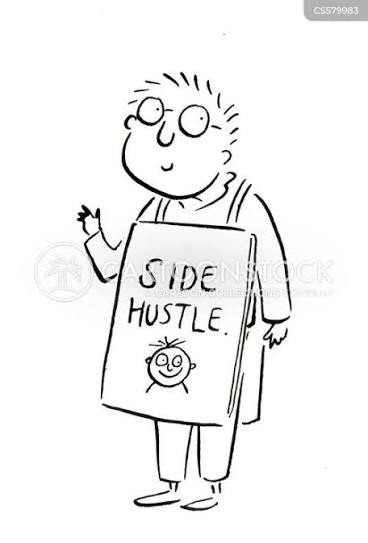
Somewhere along the way, we achieved the long-promised future of progress, efficiency, and limitless opportunity—only to discover that it mostly meant needing two or three jobs to afford toothpaste. Truly, the dream is alive and well. It’s just very, very tired.
We were once told that working hard at a single, honest job would provide stability, dignity, and maybe even the occasional vacation where you didn’t spend half the time checking your bank balance like it was a medical monitor. Now the modern definition of “stable employment” is having a full-time job, a side hustle, a backup side hustle in case the first side hustle collapses, and a vague plan to sell homemade candles online if everything else fails. Nothing says economic prosperity like a nation of exhausted entrepreneurs who never actually wanted to be entrepreneurs.
Of course, we’re encouraged to view this not as desperation, but as freedom. You’re not struggling—you’re diversifying income streams. You’re not overworked—you’re building your personal brand. You’re not collapsing from burnout—you’re grinding. It’s amazing what clever vocabulary can do. If medieval peasants had access to modern corporate language, they probably would’ve described serfdom as a “land-based subscription model with performance incentives.”
And let’s not forget the motivational speeches. Every corner of the internet is filled with cheerful billionaires explaining that success comes from waking up at 4 a.m., drinking something green, and believing in yourself. Strangely, none of these speeches mention needing three jobs just to pay rent, but I’m sure that’s an oversight. Perhaps the real problem is that millions of people simply haven’t optimized their morning routine enough. Clearly, the missing ingredient in economic survival is journaling.
Meanwhile, the cost of living continues its thrilling ascent into the stratosphere, bravely outpacing wages like an Olympic sprinter competing against someone wearing flip-flops. Rent rises. Groceries rise. Gas rises. Even the price of being broke seems to be increasing. But wages? Wages prefer a more meditative pace, choosing reflection over movement. We should respect that. Growth isn’t for everyone.
So here we are: a society where working all day is no longer sufficient to live, and living has become a sort of side activity squeezed between shifts. We work to afford housing we barely see, food we eat quickly, and streaming services we fall asleep in front of because we’re too exhausted to choose something to watch. Leisure has become a rumor passed down from previous generations, like pensions or affordable healthcare.
Naturally, we’re told this is temporary. Things will improve. Just keep pushing. Keep hustling. Keep believing. Keep pretending that this is normal and not a strange economic magic trick where productivity rises, wealth concentrates, and somehow everyone else is told to start driving for a delivery app at midnight. Progress, but with extra steps and less sleep.
And yet, the most impressive part of all this isn’t the exhaustion—it’s the quiet acceptance. Millions of people juggling jobs, schedules, and anxiety, still showing up every day, still paying bills, still hoping something might shift. Not because the system is fair, but because survival doesn’t offer many alternatives. Resilience is inspiring, but it’s also suspiciously convenient for anyone benefiting from the status quo.
So yes, we’ve come a long way. We have smartphones, artificial intelligence, same-day delivery, and the ability to summon dinner with a tap of a screen. We also have a workforce that needs a second job to afford the dinner. Progress is funny like that—technologically dazzling, economically confusing, and just sarcastic enough to feel intentional.
In the end, perhaps this is the true modern balance: we work just to live, and live mostly to keep working. A beautifully efficient loop. Almost elegant, really—if you ignore the exhaustion, the anxiety, and the lingering suspicion that somewhere, somehow, this wasn’t quite the future we were promised.
 Esoteric Meandering Shouting Into the Void