Dwain Northey (Gen X)
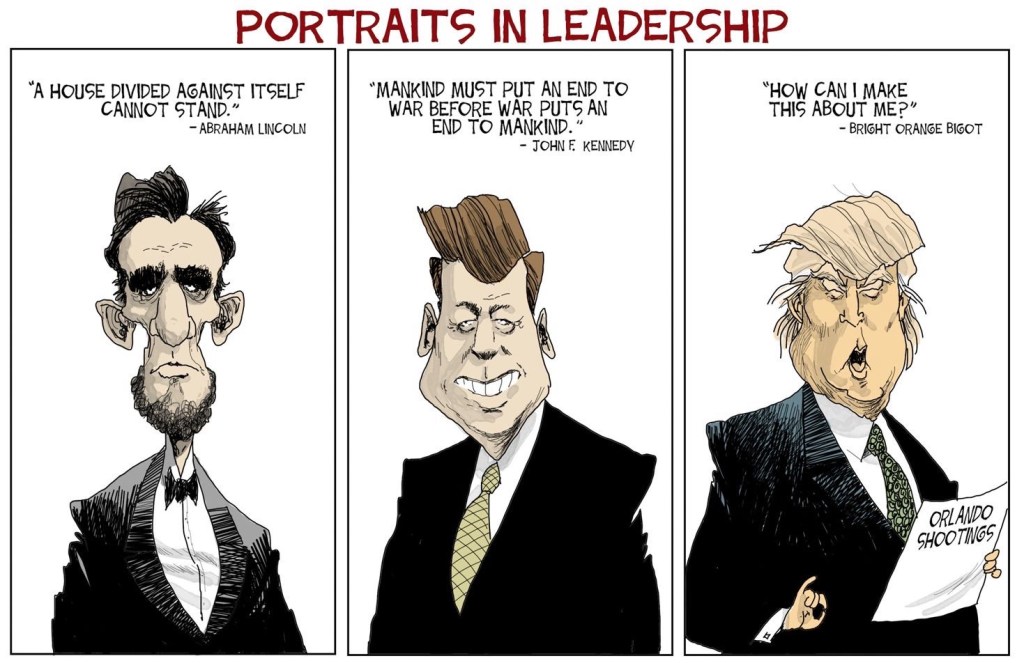
The latest innovation in public–private partnership apparently skips the messy middleman of “public service” and goes straight to the clean, efficient model of naming-rights extortion. Why waste time negotiating budgets, engineering constraints, or the minor inconvenience of governing when you can simply hold infrastructure funding hostage until your name is carved deeply enough into concrete to be visible from space?
Yes, we now live in the golden age of the Extortion Executive, a visionary who has finally answered the age-old question: What if the presidency worked more like a luxury hotel sponsorship deal?
Need money for a tunnel? Of course you do. America loves tunnels. Tunnels are bipartisan. Tunnels are wholesome. Tunnels connect communities, reduce traffic, and—most importantly—provide large, smooth surfaces upon which a name can be engraved in letters tall enough to frighten migrating birds.
But funding, sadly, does not come free. No, no. Funding must be earned the traditional democratic way:
By flattering the guy holding the checkbook.
We are told this is not extortion. Perish the thought. This is merely branding. Just as Dulles Airport could hypothetically become something like Executive Visionary Freedom International Gateway Presented by Tremendous Leadership™, so too could a humble infrastructure tunnel become a monument to the timeless principle that public goods are best delivered when accompanied by tasteful gold lettering.
Some critics—usually the tedious sort who read constitutions recreationally—have suggested that withholding congressionally approved funds for personal glorification might resemble corruption. But these people clearly don’t understand modern governance, which has evolved beyond outdated notions like “ethics” and “separation of powers” into something far sleeker:
a loyalty rewards program for democracy.
Think about the efficiency. Instead of endless committee hearings, environmental reviews, and budget negotiations, cities can simply ask one question:
“How big would you like the letters, sir?”
Problem solved. Infrastructure built. Nation united under a tasteful serif font.
And really, is this so different from history? Great leaders have always left their names on things. Caesar had coins. Napoleon had arches. Pharaohs had pyramids. True, most of them didn’t require municipal leaders to grovel for transportation funding first—but we must allow for innovation. America is, after all, a startup nation, and disruption sometimes looks a lot like shakedown if you squint cynically enough.
Besides, attaching a leader’s name to infrastructure provides clarity. Imagine future historians driving through the Executive Glory Tunnel on their way to the Unprecedented Achievement Rest Area, landing later at Record-Breaking Victory International Airport. They’ll instantly know who to thank for the concrete, the lighting, and the unusually large commemorative plaques.
This also creates exciting new possibilities for civic engagement. Instead of boring town halls about zoning and traffic flow, citizens can participate in meaningful debates like:
Should the name be in gold leaf or illuminated neon? Does the commemorative statue need to be life-size, or merely intimidating? At what point does a ribbon-cutting become a coronation?
These are the conversations that truly strengthen a republic.
Supporters insist the executive is simply ensuring proper recognition for visionary leadership. After all, without such leadership, would tunnels even exist? Before this moment, historians widely believed tunnels were invented by engineers, funded by taxpayers, and approved through legislation. Thankfully, we now know the truth:
tunnels emerge naturally once sufficient praise is applied to power.
And let’s not ignore the broader economic benefits. Monumental lettering creates jobs—stonemasons, sign manufacturers, commemorative-coin designers. Entire industries thrive when governance doubles as personal merchandising. Somewhere, a factory is already producing limited-edition infrastructure plaques, perfect for collectors and future subpoenas alike.
In the end, perhaps we should be grateful. This approach at least replaces the usual murky backroom dealings with something refreshingly transparent. The message is simple, honest, almost wholesome:
“Nice infrastructure project you’ve got there.
Shame if it didn’t have my name on it.”
Clarity in government is rare. We must appreciate it when we see it—preferably engraved in thirty-foot letters above a federally funded tunnel entrance, glowing softly in the night, guiding weary travelers toward the comforting realization that in modern America, even concrete must first pass the test of ego before it can support the weight of the public good.
 Esoteric Meandering Shouting Into the Void