Dwain Northey (Gen X)
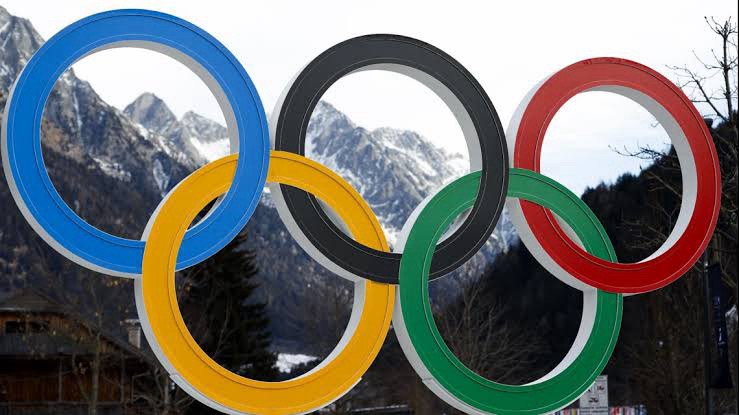
Every few years, as snow settles over mountains and ice forms into gleaming arenas, the world quietly gathers for the Winter Olympics—an event many people do not follow closely, yet one that carries a rare and gentle kind of significance. Unlike the noise of politics or the relentless churn of daily headlines, these games arrive with a softer rhythm: the scrape of skates, the whisper of skis, the held breath before a jump. In that stillness, something remarkable happens. Nations that struggle to agree on almost anything else come together simply to witness human ability at its finest.
The beauty of the Winter Olympics is not measured only in medals or records. It lives in the quiet respect between competitors who understand the years of sacrifice behind a single performance. A skier from one country helps a fallen rival to their feet. A figure skater applauds another’s flawless routine even after finishing second. In moments like these, victory and defeat feel less important than the shared courage required to step onto the world’s stage. Athletes celebrate one another not because they must, but because they recognize a truth deeper than rivalry: excellence is something to honor wherever it appears.
This spirit stands in gentle contrast to the turmoil that so often defines our era. Around the globe, disagreements harden into divisions, and cooperation can seem painfully rare. Yet during these weeks of competition, the world witnesses proof that unity is still possible. Flags remain different, languages remain distinct, and histories remain complicated—but for a brief time, none of those differences prevent admiration, friendship, or joy. The games become a quiet reminder that humanity is capable of gathering without confrontation, of cheering without resentment, of sharing pride without diminishing anyone else.
Perhaps the most hopeful lesson of the Winter Olympics is that this harmony does not require perfection. Athletes fall. Teams lose. Dreams slip away by fractions of a second. And still, they embrace, congratulate, and begin again. Imagine if nations approached one another with the same humility and resilience—acknowledging setbacks, respecting effort, and choosing encouragement over accusation. The example is there on the ice and snow, simple and unmistakable.
Even for those who rarely watch, the Winter Olympics matter. They are a small window into the world as it could be: competitive yet compassionate, diverse yet united, striving yet peaceful. When the closing ceremony fades and ordinary life resumes, what remains is not just a memory of sport, but a quiet wish—that the spirit shared by athletes might someday be shared by nations as well.
 Esoteric Meandering Shouting Into the Void