Dwain Northey (Gen X)
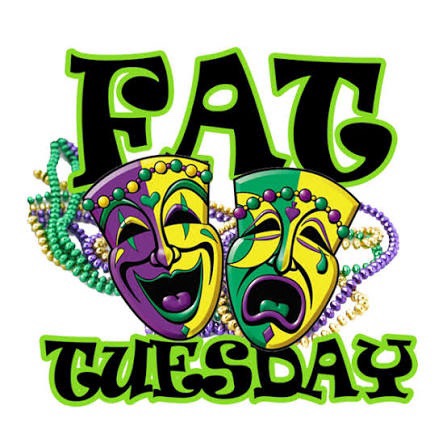
Fat Tuesday—known around the world as Mardi Gras—is a celebration that blends faith, history, and joyful excess into a single vibrant day. Rooted in Christian tradition, it marks the final moment of feasting before the reflective season of Lent begins on Ash Wednesday. For centuries, communities have used this day to enjoy rich foods, music, dancing, and togetherness, savoring life’s pleasures before turning toward a period of simplicity and spiritual renewal.
The origins of the celebration stretch back to medieval Europe, where families would use up butter, sugar, and eggs before the Lenten fast. Over time, these practical customs blossomed into colorful festivals filled with masks, parades, and laughter. When the tradition traveled to North America, it found a particularly joyful home in New Orleans, where jazz rhythms, elaborate floats, and strings of purple, green, and gold beads transformed the day into one of the world’s most famous cultural celebrations.
Yet beyond the spectacle, Fat Tuesday carries a deeper meaning. It reminds us to celebrate community, abundance, and shared humanity. The laughter in the streets, the music echoing through neighborhoods, and the simple act of gathering with others all speak to a universal desire for joy before reflection. In this way, Fat Tuesday is more than a party—it is a moment to embrace life fully, honor tradition, and step forward together into the quieter season that follows.
 Esoteric Meandering Shouting Into the Void