Dwain Northey (Gen X)
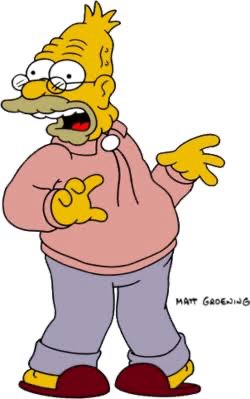
I’ve done the thing. You know the thing. The quiet, awkward, borderline mutinous family intervention where someone—usually me, because I apparently give off “bad news delivery specialist” energy—has to take the car keys away from a parent or grandparent.
It’s never dramatic in the way movies make it. No one throws keys across the room in slow motion while violins swell. It’s more like, “Hey… maybe let me drive today,” followed by a long pause that says, we both know what this really means. It’s dignity wrapped in denial, with a side of fear. Because we’re not just talking about driving—we’re talking about the slow, undeniable realization that someone we love isn’t quite with it anymore.
And we do it anyway.
We take the keys. We double-check the finances. We gently intercept the late-night “investment opportunities” that somehow always involve wire transfers and a guy named Kevin. We step in because we have to. Because pretending everything is fine doesn’t just become irresponsible—it becomes dangerous.
So imagine my confusion—no, scratch that, my absolute cognitive whiplash—when I look at the national stage and realize we apparently have a completely different standard when the person in question has access to nuclear codes instead of a Buick.
Because here’s the thing: I was around for the chorus. The loud, relentless, vein-popping insistence that Joe Biden was too old, too forgetful, too “not all there” to function. It was a full-blown national diagnosis from people who, I assume, also think WebMD is a substitute for medical school. Every pause was evidence. Every verbal stumble was a five-alarm fire. The man couldn’t tie his shoes without it being framed as a constitutional crisis.
And now?
Now we’ve got… this.
Now we’ve got a guy back in the driver’s seat—let’s call him TJT for the sake of politeness—who makes my uncle during his “I can still drive at night” phase look like a Formula One champion. The same people who were handing out cognitive report cards a year ago are suddenly very interested in nuance. In interpretation. In how words “can be taken out of context.”
Oh, now context matters. Fascinating.
Because from where I’m sitting, this feels eerily familiar. The rambling. The impulsiveness. The absolute certainty paired with increasingly questionable judgment. It’s the same energy as someone insisting they don’t need help while actively microwaving a fork.
And again—this isn’t funny in real life. When it’s your family, it’s heartbreaking. You step in because you care. Because you understand that independence has limits, and safety eventually has to win.
But in this version? In this upside-down national family meeting? Nobody wants to be the one to say it out loud.
No one’s reaching for the keys.
Or worse—they are saying it quietly, behind closed doors, in careful, measured tones that somehow never quite translate into action. Which is amazing, because I promise you, when my grandfather started drifting across lanes, we didn’t form a committee to “further evaluate lane discipline over the coming quarters.” We took the keys. End of discussion.
Yet here we are, watching someone with their hand on the levers of power—actual, global, irreversible levers—and the collective response is… what, exactly? Shrugging? Strategic silence? A deeply committed game of “if we don’t say it, it’s not happening”?
And I get it. Admitting this kind of thing at that level is messy. It’s political dynamite. It’s careers-ending honesty.
But so is letting it go unchecked.
Because the uncomfortable truth—the one we all know from personal experience—is that decline doesn’t reverse because it’s inconvenient. It doesn’t pause because it’s politically awkward. And it sure as hell doesn’t improve because people yell “fake news” at it.
We’ve lived this before, just on a smaller scale. We’ve had the conversations. We’ve made the hard calls. We’ve chosen safety over pride, reality over denial.
Which is why this whole situation feels less like leadership and more like watching a family argue over whether Grandpa should still be driving… while he’s already on the freeway.
And the rest of us are just in the backseat, gripping the door handle, wondering who—if anyone—is finally going to reach over and take the keys.
 Esoteric Meandering Shouting Into the Void