
Category: Uncategorized
-
Dwain Northey (Gen X)

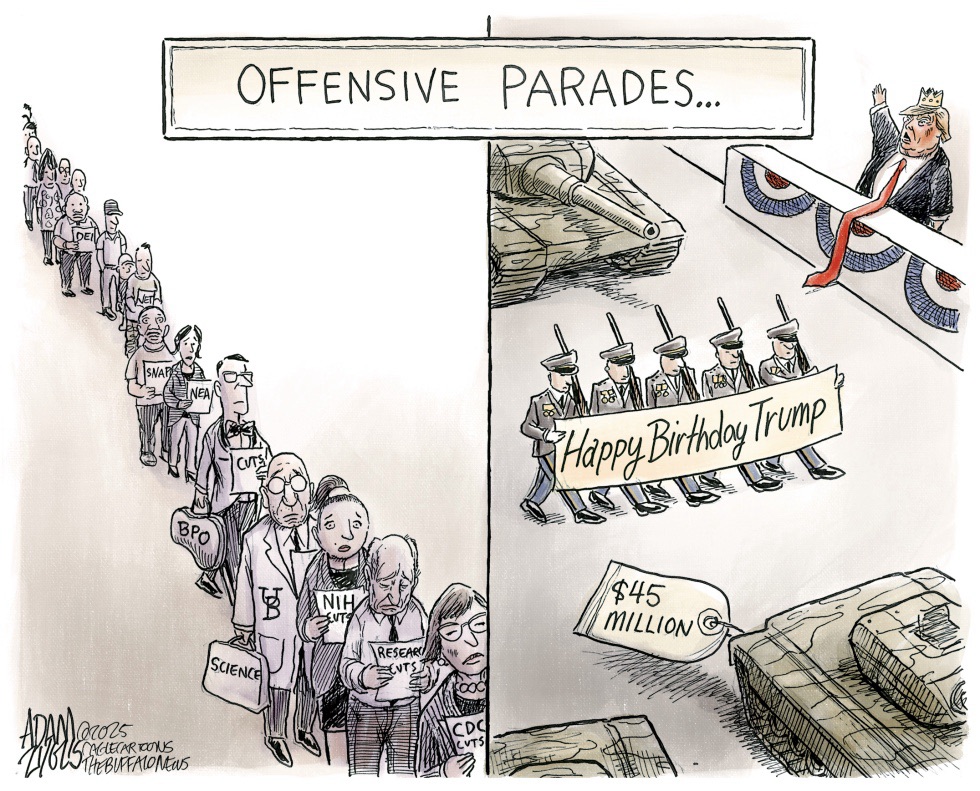
Wanna Be King Donald is a master of political spin, and if faced with a situation where his Washington, D.C. military parade drew a fraction of the attendance seen at nationwide “No Kings” rallies, he would quickly pivot the narrative. He’d likely frame the parade as a symbol of true patriotism, emphasizing strength, order, and American exceptionalism. In his telling, the military display would be portrayed not merely as a show of force, but as a tribute to veterans, service members, and the “real” America—those who, in his view, defend the flag rather than critique the system.
Trump would likely downplay the massive turnout for the “No Kings” rallies by questioning their motives, branding participants as “radical leftists,” “globalists,” or “anti-American agitators.” He might claim that their numbers were inflated by the media or orchestrated by political enemies. Meanwhile, he would paint his parade as a unifying event, a “love of country” spectacle that allegedly brought together “patriots from all walks of life.”
Expect heavy use of hyperbole—terms like “the most beautiful parade ever seen,” “a moment history will never forget,” or “more inspiring than any protest.” He would likely post edited crowd shots and clips from the event to create the impression of overwhelming support. In Trump’s narrative, the meaning of patriotism is not measured in turnout, but in loyalty, symbolism, and spectacle—and he’d position his parade as the ultimate proof of devotion to the nation, regardless of the actual numbers.
-
Dwain Northey ( Gen X)

There are comparisons being drawn between Nixon, taking America off the gold standard and cryptocurrency, but in reality, they are very different.
Similarities Between Nixon Ending the Gold Standard and Cryptocurrency:
Detachment from Physical Backing: Gold Standard (pre-1971): U.S. dollars were backed by gold. You could theoretically exchange dollars for a fixed amount of gold. Post-Gold Standard (fiat money): After Nixon, the dollar became fiat — its value is based on trust in the government rather than a physical commodity. Cryptocurrency: Most cryptocurrencies, like Bitcoin, are also not backed by physical assets. Their value is based on market demand, scarcity, and trust in the code and decentralized system. Shifts in Trust: Both events reflect shifts in where people place trust: From gold to government (Nixon’s change). From governments to decentralized code or networks (crypto). Debates About “Real Value”: Critics of fiat money argue it’s “just paper.” Critics of crypto say it’s “just code” or speculative. In both cases, the question becomes: What gives money value? (Answer: collective belief and utility.)
Key Differences:
Control: Fiat Money: Controlled by governments and central banks. Cryptocurrency: Decentralized (in theory). No central authority. This is a major ideological split. Policy Motivation: Nixon’s move: Geopolitical and economic — mainly to stop gold outflows and inflation pressures from the Vietnam War. Crypto movement: Emerged from distrust in traditional financial systems, especially after the 2008 financial crisis. Legal Tender: U.S. Dollar post-gold standard: Still legal tender; everyone must accept it for debts. Cryptocurrency: Not legal tender in most places. Use is voluntary and subject to regulation. Adoption and Risk: Fiat currency, post-gold-standard, is widely accepted and stable (relatively). Cryptocurrency is still volatile and not universally accepted.
Bottom Line:
Nixon taking the U.S. off the gold standard and the emergence of crypto both represent major philosophical and structural shifts in what money is and how it’s valued. One moved us from commodity-backed to government-backed money; the other challenges that system by removing government backing entirely.
Let me know if you want a visual timeline or chart comparing them!
-
Dwain Northey (Gen X)
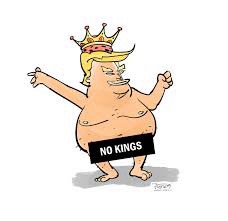
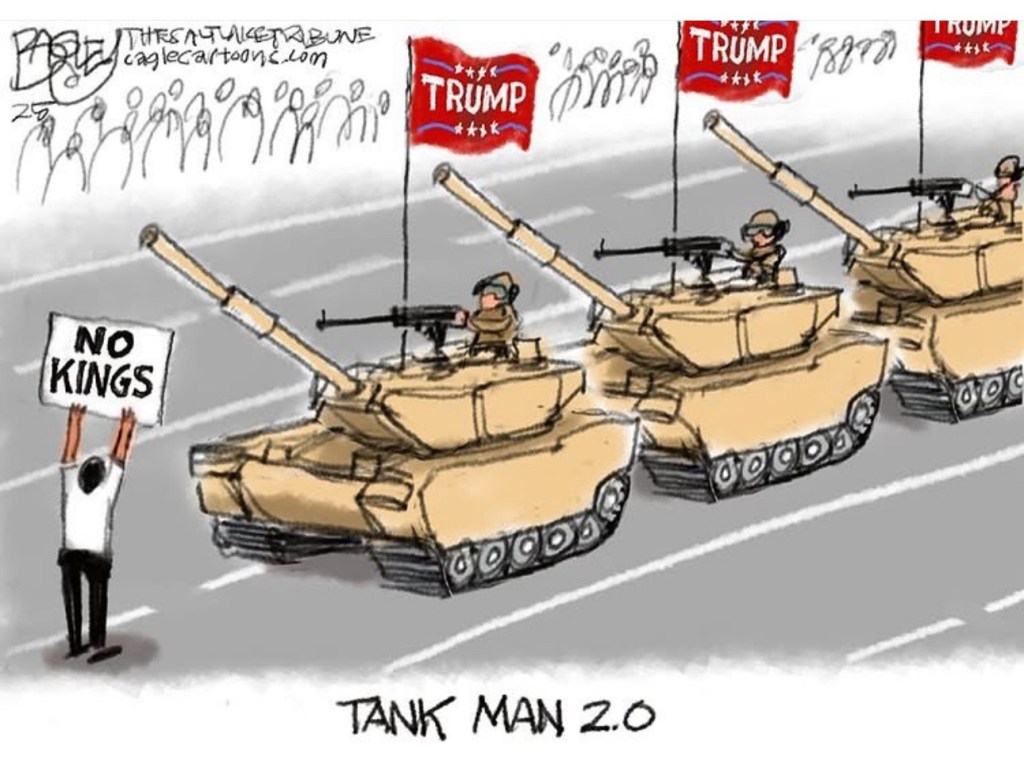
Short message to anyone who is going to participate in a No Kings rally tomorrow…
No Violence, they are looking for an excuse
Enjoy the camaraderie with those who feel the same way you do. Make a joyful make it a joke make the police and any other people wanting to disrupt a peaceful protest feel ridiculous.
Reminder, we are a democracy we have no kings and Donald the king in waiting will never be our king.
If you’re in Phoenix, hope to see you tomorrow.
-
Dwain Northey (Gen X)

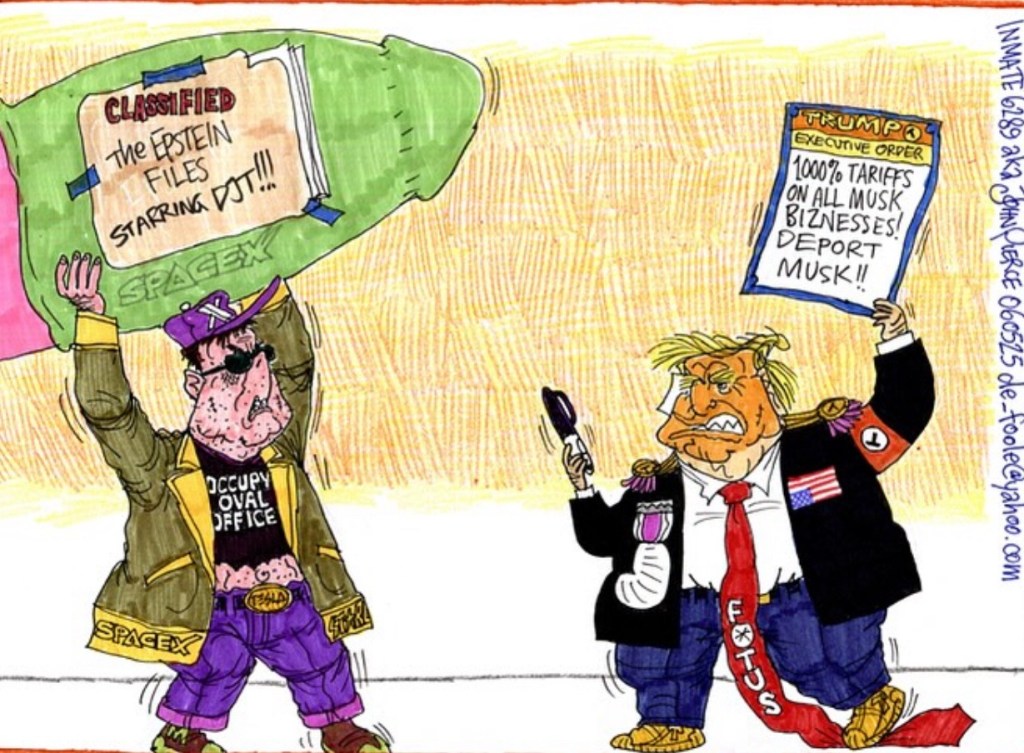
Honestly, most of us couldn’t care less about Donald and Elon’s petty feud. It’s just another distraction—two billionaires trading jabs while the rest of us deal with real-life issues like rising costs, climate crises, and broken systems. Their online spats might make headlines, but they don’t impact our lives in any meaningful way. It’s all ego, drama, and attention-seeking—nothing new, nothing helpful. While they play their games on social media, people are working two jobs just to survive. So no, we’re not watching. We’ve got better things to care about than their little cat fight for clicks and clout.
-
Dwain Northey (Gen X)
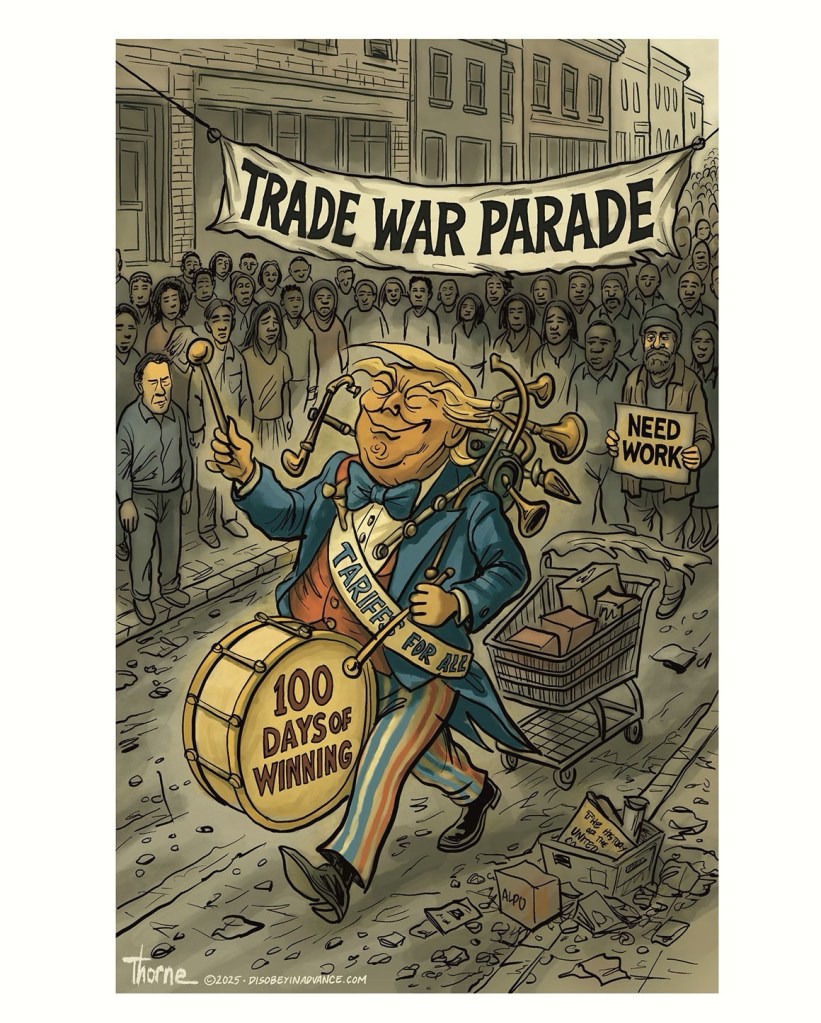
On June 14, Donny DumbAss is set to host a military parade celebrating the U.S. Armed Forces, coinciding with his birthday. The event, reportedly featuring flyovers, marching bands, and speeches, aims to honor military service and patriotism, while also highlighting Donny’s personal connection to national strength and pride. Let’s remind everyone that this is the same guy who got multiple deferments to avoid military service.
However, the same day will also see thousands of Americans participating in peaceful “No Kings” protests across the country. Organized by a broad coalition of civic groups, the protests express concern over what they view as the erosion of democratic norms and growing authoritarian rhetoric in politics. Demonstrators aim to send a unified message: that American leadership must remain accountable to the people, not elevated to monarchical status.
Protest organizers have called for all actions to remain peaceful, emphasizing unity, dialogue, and constitutional values. Many plan to carry signs, chant slogans, and hold moments of silence or reading of historical texts as part of the day’s events.
While the military parade and protests reflect sharply different visions for America, both are rooted in expressions of civic engagement. June 14 promises to be a defining moment, showcasing the freedoms of speech and assembly that remain foundational to the American democratic experiment.
-
Dwain Northey (Gen X)
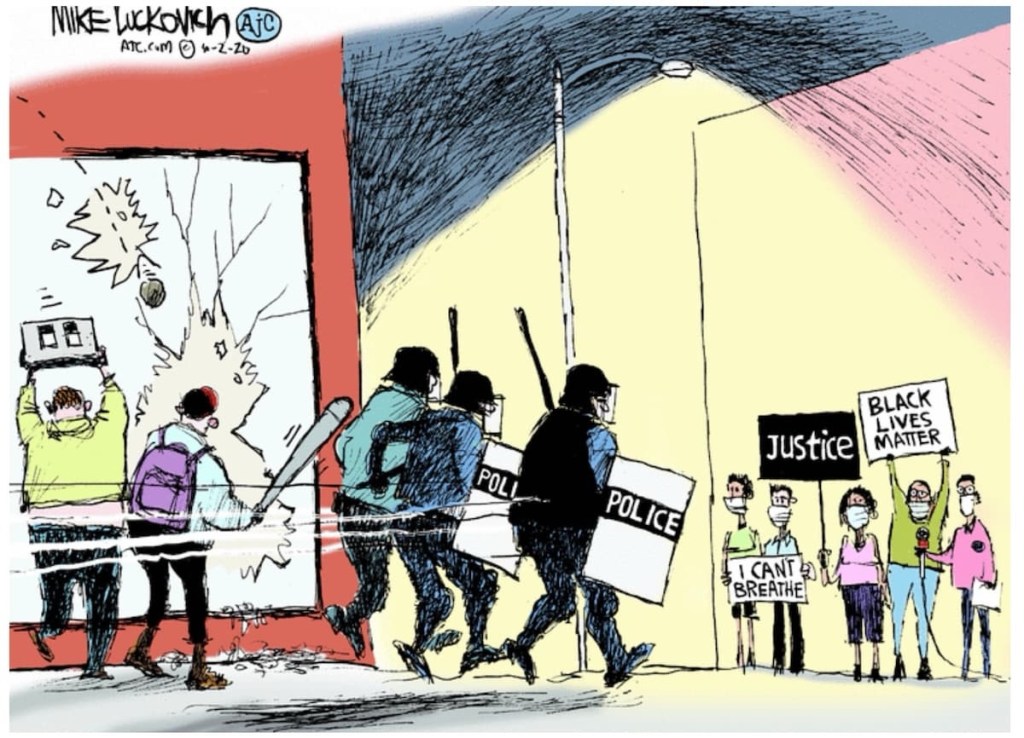
Oh, the Trump administration—the self-proclaimed “law and order” crusaders who seemed to think deploying federal troops on peaceful protesters was just another Tuesday afternoon. Because nothing says “freedom” like camouflaged men without name tags tear-gassing moms in bike helmets and war-veteran grandpas holding up cardboard signs. When protesters were calling for justice and accountability, Trump responded with tanks and Twitter tantrums, as if lobbing flashbangs at a crowd somehow counted as diplomacy.
Instead of listening, the administration opted for photo ops. Remember the Bible-in-hand moment in front of St. John’s Church? Troops were used to clear out Lafayette Square like it was a level in Call of Duty, just so Trump could awkwardly brandish a book he likely hadn’t read. “Peace through superior firepower” seemed to be the operating mantra, but all it did was pour gasoline on a simmering national crisis.
The irony? By trying to crush dissent with brute force, they amplified it. The administration took what could have been a powerful national moment of reflection and healing and turned it into a dystopian spectacle, complete with helicopters flying low over city blocks like something out of Apocalypse Now. The protests grew louder, bigger, more determined. Turns out, people don’t like being tear-gassed for exercising their First Amendment rights.
In the end, the Trump team didn’t just miss the point—they bulldozed right over it, sirens blaring, shouting “fake news” out the window. If incompetence were a performance, this would’ve been a Broadway hit.
-
Dwain Northey (Gen X)

There is a striking irony in the way some Americans simultaneously label immigrants as “lazy” and “leeches,” while also arresting them at workplaces and schools—locations that symbolize productivity and aspiration. The accusation of laziness contradicts the reality that many immigrants, especially undocumented ones, often fill labor-intensive jobs in agriculture, construction, food service, and caregiving—sectors that are vital yet frequently shunned by citizens. These individuals are not idle drains on society; they are part of the economic backbone, often working long hours for low wages under harsh conditions.
Equally paradoxical is the practice of detaining immigrants at schools, where children and young adults strive for better futures through education—another value supposedly central to the American dream. The image of students being arrested while pursuing learning undermines the narrative that immigrants don’t want to “contribute.” In truth, these actions reflect a deep societal contradiction: the same system that exploits immigrant labor and benefits from their ambition turns around and criminalizes their very presence.
This hypocrisy exposes a broader discomfort with immigration that has little to do with work ethic or value to society. It’s not about what immigrants do—it’s about who they are, and what their presence reveals about America’s unfulfilled promises of inclusion and fairness.





 Esoteric Meandering Shouting Into the Void
You must be logged in to post a comment.