Dwain Northey (Gen X)
Ah yes, the sacred, untouchable, sepia-toned relic: the 1950s “nuclear family.” One hardworking dad, one perpetually cheerful mom, 2.5 mathematically confusing children, a house with a yard, and a refrigerator full of optimism—all funded by a single income that apparently grew on the same tree as common sense and affordable housing.
What a time. A high school diploma, a firm handshake, and the ability to not actively insult your boss could land you a job that paid enough to buy a home, raise children, take vacations, and still have money left over for a television the size of a small car. Meanwhile, mom stayed home, baked pies, and somehow never developed existential dread. It was less an economic system and more a Norman Rockwell painting that accidentally came to life.
And then—how rude—the 1970s happened.
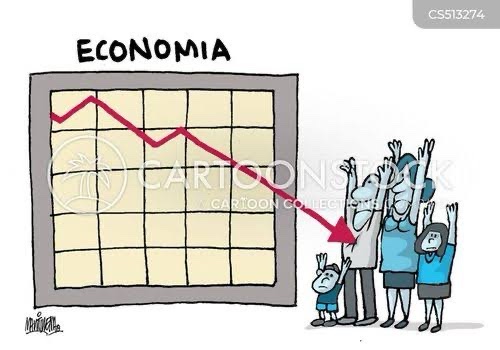
Somewhere between disco, oil shocks, and the slow realization that maybe everything shouldn’t cost three nickels forever, the economy decided to evolve. Wages, however, bravely chose not to. Productivity went up, corporate profits soared, and the cost of living began its Olympic sprint toward the horizon. Housing? Up. Healthcare? Up. Education? Up. Wages? Well… they participated spiritually.
Suddenly, that single-income dream started looking less like a plan and more like historical fiction.
But surely, the collapse of the nuclear family must be blamed on something far more dramatic, right? Perhaps it was the terrifying rise of women wanting jobs. Or the scandalous idea that people might delay marriage. Or—brace yourself—avocado toast. Yes, clearly it was brunch that destroyed a mid-century economic model, not the minor detail that one income no longer covers basic survival.
Because here’s the inconvenient part: the “traditional family” didn’t disappear because people woke up one day and thought, “You know what would be fun? Financial instability.” It disappeared because it became economically unworkable.
By the late 20th century, two incomes weren’t a lifestyle upgrade—they were a survival mechanism. Not because families suddenly developed a passion for daycare logistics and scheduling chaos, but because rent doesn’t accept nostalgia as payment. Try walking into a modern housing market with a 1955 salary and a can-do attitude. You’ll be escorted out before you can say “fixed-rate mortgage.”
And yet, the myth persists. Politicians and pundits alike dust off this 1950s fantasy like it’s a lost Eden, solemnly asking, “What happened to the nuclear family?” as if it simply wandered off one day, distracted by feminism and cable television.
No, it didn’t wander off. It got priced out.
The truth is far less romantic and far more spreadsheet-shaped: when the cost of living rises faster than wages for decades, something has to give. In this case, it was the ability for one person to financially support an entire household without also taking up a side hustle as a time traveler.
So here we are, in the modern era, where the “new nuclear family” involves two incomes, three streaming subscriptions you’re thinking about canceling, and a shared understanding that retirement is more of a concept than a plan.
But sure, let’s keep pretending the issue is cultural decay rather than basic arithmetic. Because nothing says serious economic analysis like blaming societal shifts instead of acknowledging that, yes—it’s the economy, stupid.

