Dwain Northey (Gen X)
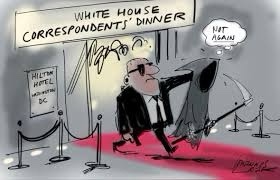
There’s a certain kind of outrage that only shows up when the threat gets close enough to brush against tuxedos and evening gowns. Suddenly, everyone remembers what fear feels like. Suddenly, security lapses are intolerable. Suddenly, it’s a national scandal.
At the White House Correspondents’ Dinner, an incident involving a shooter—who, thankfully, never even made it inside the ballroom—has sparked exactly that kind of reaction. And to be clear, it’s a good thing it didn’t escalate. No one with a functioning brain is rooting for violence. The relief is real.
But so is the whiplash.
Because the same voices now clutching pearls hard enough to leave fingerprints have spent years treating school shootings like inconvenient weather patterns. Tragic, yes—but also somehow inevitable, unfixable, and definitely not urgent enough to disrupt the political comfort zone. Kids run active shooter drills like they’re preparing for a pop quiz, and the national response is a shrug wrapped in “thoughts and prayers.”
Yet let a threat drift within proximity of powerful people and well-dressed journalists, and suddenly it’s DEFCON 1 for the national conscience.
Now, predictably, here comes Donald Trump, stepping up to the microphone to declare that security is terrible—just terrible—and that this is exactly why, obviously, we’ve needed a new, more secure ballroom for the past 150 years or so. Because nothing says “serious policy solution” like a construction project that conveniently aligns with long-standing wish lists.
It’s almost impressive how quickly a near-miss turns into a real estate pitch.
And that’s where it starts to feel… off. Not staged, not fake—but opportunistic in that very familiar way. A scary moment becomes a talking point. A talking point becomes justification. And justification becomes funding, contracts, headlines, and a fresh round of political theater.
Meanwhile, back in the real world, actual children still sit in classrooms where “what do we do if someone starts shooting?” is part of the curriculum. No ballroom upgrades. No sweeping security overhauls announced with urgency. No sudden, unified outrage that demands immediate action.
Just normalization.
So yes, it’s good that nothing happened at the dinner. It’s good that security, flawed as it may have been, ultimately held. But the reaction—the sheer intensity of it—reveals a hierarchy of concern that’s hard to ignore.
When danger hovers near power, it’s a crisis.
When it stalks everyday life, it’s a statistic.
And that contrast? That’s the part that really sticks.

