Dwain Northey (Gen X)
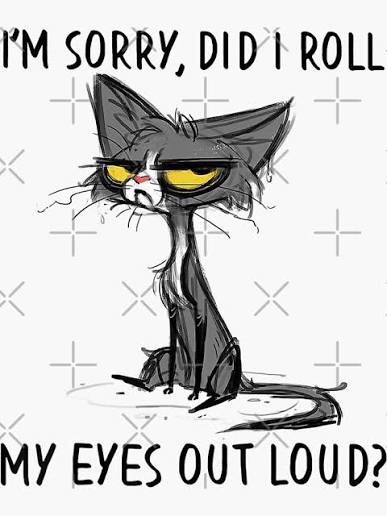
Sarcasm is the native tongue of Generation X. We grew up in a world where cynicism was practically a survival skill. We were the latchkey kids, the “figure it out yourself” generation, raised on equal parts neglect, dark humor, MTV, and the understanding that if life was going to be absurd, the least we could do was laugh at it. Sarcasm was not just humor to us. It was punctuation. It was emotional armor. It was communication shorthand. Sometimes it still is.
The problem is that sarcasm only works when both people are speaking the same emotional language. Gen X tends to assume everybody understands the joke because, for us, the joke was always obvious. If somebody asked a ridiculous question, the sarcastic response was almost automatic. “No, Karen, I’m standing outside in the rain because I enjoy being damp.” That kind of thing. To us, it is playful. Efficient, even. Sometimes it is the only thing standing between us and completely losing patience.
But the world changed somewhere along the line. Younger generations, unless they were raised around sarcasm, often take words much more literally. Communication became more text-based, stripped of tone and facial expression. Suddenly, the sarcastic comment that would have gotten a laugh in 1994 lands like a personal attack in 2026. The same sentence that Gen X hears as dry humor might sound dismissive, hostile, or cruel to somebody else.
And honestly, that creates a weird internal conflict for people like me. Because sarcasm is instinctive. My first response to stupidity is almost always sarcasm. It arrives in my brain before patience even has time to put on its shoes. The sarcastic response feels natural because that is how I learned to process frustration, absurdity, and tension. It keeps me from yelling. It keeps things light in my own head. But that does not mean it moves the conversation forward.
That is the tough part.
Sarcasm can absolutely diffuse tension when the audience understands it. It can expose hypocrisy, point out obvious nonsense, and make difficult truths easier to swallow. Some of the smartest social commentary ever written was rooted in sarcasm. Gen X perfected the art of looking at a broken system and saying, “Well this seems healthy,” while the whole thing caught fire behind us.
But sarcasm can also shut people down immediately. If the other person feels mocked instead of included in the joke, communication stops right there. Instead of hearing the point, they hear disrespect. And once somebody feels embarrassed or attacked, they stop listening altogether. At that point, the sarcasm may have been satisfying, but it did not accomplish much besides making me feel temporarily clever.
The uncomfortable reality is that being sarcastic and being right are not the same thing. That is probably the hardest lesson for lifelong sarcastic people to accept. Just because a comment is funny does not mean it is productive. Sometimes the sarcastic answer is the emotional equivalent of hitting a big red “conversation over” button.
That does not mean sarcasm is bad. Frankly, I think the world could use more humor and a little less performative outrage. Sarcasm can be brilliant when it is used well. It can puncture ego, expose nonsense, and remind people not to take themselves too seriously. But like any sharp tool, it depends on how and where you use it.
The trick, I think, is learning when sarcasm is helping and when it is just reflex. Gen X grew up treating sarcasm as a default setting, but not every situation benefits from it. Sometimes people genuinely do not understand the tone. Sometimes they are asking a sincere question, even if it sounds ridiculous. And sometimes the sarcastic response says more about my impatience than about their intelligence.
That does not mean I am going to stop being sarcastic. At this point it is probably genetically fused into my DNA. But I am learning that not every conversation needs the first thought that pops into my head. Sometimes the better response is not the funniest one. Sometimes it is the one that actually leaves the other person understanding what I meant instead of wondering why I sound irritated.
Of course, that realization itself feels very Gen X too. We are the generation that mastered irony only to eventually realize that constant irony can become its own wall. So now we walk this strange tightrope: trying to stay authentic to the humor that shaped us while also recognizing that not everybody hears sarcasm the way we do.
And honestly, if nothing else, that realization is at least mildly ironic.

