Dwain Northey (Gen X)
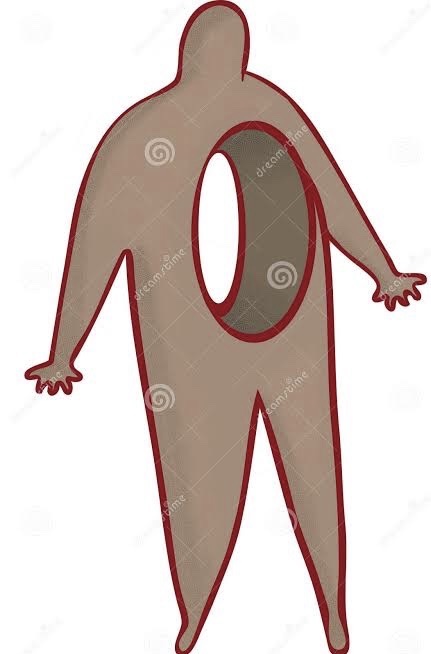
I occasionally find myself wondering whether there is something wrong with me when it comes to grief.
Not because I don’t feel sadness when someone dies. Not because I don’t understand loss. But because when I witness overwhelming, hysterical grief, my reaction is often different from what seems to be expected.
The thought that creeps into my mind is one I suspect many people have had but few are willing to admit.
Who is this really for?
The person who died is gone. They are beyond my help, beyond anyone’s comfort, beyond tears and anguish and sleepless nights. Nothing I do now changes their circumstances. No amount of sobbing brings them back. No amount of suffering improves their situation.
Which means the grief belongs entirely to the living.
And that realization has always left me feeling conflicted.
When I watch someone consumed by grief, I can’t help but notice that the pain is usually centered on what they have lost. The conversations become about the empty space in their life. The memories they won’t make. The phone calls they won’t receive. The birthdays, holidays, and milestones that will now feel incomplete.
In that sense, grief feels selfish.
I don’t mean selfish in a cruel way. I don’t mean selfish as an insult. I mean selfish in the most literal sense possible. The grief is about my loss. Your loss. Our loss. It is about the wound left behind in the people who remain.
Sometimes I wonder if acknowledging that makes me coldhearted.
Society seems to expect grief to be dramatic. We are taught that the greater the display of suffering, the greater the love that existed. Yet I have never been entirely convinced that this is true.
I’ve seen people turn grief into a performance. I’ve seen people become so consumed by mourning that the life of the person who died almost becomes secondary to the emotions of those left behind.
That has never sat comfortably with me.
If someone I love dies, I want to remember them. I want to tell stories about them. I want to laugh at the ridiculous things they said and celebrate the moments that made them who they were. I want to acknowledge the sadness without making the sadness the entire story.
Because death is not a surprise ending. It is the ending waiting for all of us.
Knowing that doesn’t make loss hurt less, but it does make me question the purpose of endless despair. If I truly cared about someone, shouldn’t at least part of my focus be on the fact that they lived rather than the fact that I now have to live without them?
Maybe that sounds harsh.
Maybe it sounds detached.
Maybe some people would read this and conclude that I am, in fact, a cold bastard.
But I don’t think that’s quite right.
A cold person wouldn’t care about the loss at all. A cold person wouldn’t spend time thinking about what grief means or why people experience it the way they do. A cold person wouldn’t wrestle with these questions.
I think what bothers me is not grief itself. Grief is natural. It is inevitable. It is the price we pay for caring about other people.
What bothers me is the expectation that grief must consume us, that suffering itself is somehow a measure of love.
I don’t know if I believe that.
The older I get, the more I find myself believing that grief is fundamentally for the living. The dead no longer need anything from us. What remains is our pain, our memories, our regrets, and our love.
Maybe that is what grief has always been: love with nowhere left to go.
And if recognizing that makes me different from some people, then so be it.
I’m still trying to figure out whether it makes me coldhearted.
So far, I don’t think it does.

