Dwain Northey (Gen X)
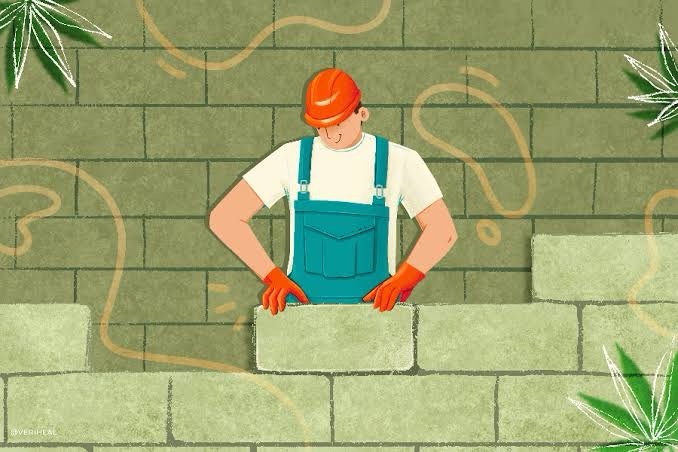
Hempcrete and the Architecture of a Solarpunk Future
One of the most intriguing building materials emerging in discussions about a solarpunk future is hempcrete. While gleaming solar panels, vertical gardens, and renewable energy systems often dominate visions of sustainable cities, the materials used to construct those communities may be just as important. If humanity hopes to build a future that is both technologically advanced and environmentally responsible, then we must rethink not only how we power our buildings but also what those buildings are made from. Hempcrete offers a compelling glimpse into that possibility.
Hempcrete is a biocomposite material made from the woody inner core of the hemp plant, known as hemp hurd, mixed with a lime-based binder and water. The result is a lightweight material that can be formed into walls, insulation panels, or building blocks. Unlike traditional concrete, hempcrete is not typically used as a structural material. Instead, it is used alongside timber, steel, or other framing systems to create highly insulated, breathable walls.
What makes hempcrete particularly attractive in a solarpunk future is its relationship with the environment. Conventional construction materials often come with significant ecological costs. Cement production alone is responsible for a substantial portion of global carbon emissions, while steel manufacturing requires enormous amounts of energy. Modern construction frequently extracts resources from the earth, consumes vast amounts of fossil fuel energy, and leaves behind structures that are difficult to recycle.
Hempcrete represents a different philosophy. Hemp grows rapidly, often reaching maturity within a few months. During its growth cycle, the plant absorbs carbon dioxide from the atmosphere through photosynthesis. When the hemp is harvested and incorporated into building materials, much of that carbon remains locked within the walls of the structure. Combined with the carbon-absorbing properties of the lime binder, hempcrete buildings can potentially become carbon-negative, meaning they store more carbon than was emitted during their production.
This concept aligns perfectly with the core values of solarpunk. Rather than merely reducing environmental damage, solarpunk seeks systems that actively improve ecological health. The goal is not simply to be less destructive but to become regenerative. Hempcrete embodies that principle by transforming buildings from sources of carbon emissions into long-term carbon storage systems.
The advantages extend beyond carbon sequestration. Hempcrete provides excellent thermal insulation, helping buildings remain cooler in summer and warmer in winter. This reduces the need for energy-intensive heating and cooling systems. In a solarpunk city powered by renewable energy, every watt saved through efficient building design reduces strain on the electrical grid and makes communities more resilient.
Hempcrete is also naturally breathable. Traditional construction methods often create airtight structures that can trap moisture and encourage mold growth. Hempcrete walls allow moisture to move through the material without causing damage, helping regulate indoor humidity levels and creating healthier living environments. This characteristic reflects another recurring solarpunk theme: designing buildings that work with natural processes rather than constantly fighting against them.
Durability is another surprising benefit. While some people hear the word “hemp” and imagine something fragile or temporary, hempcrete structures can last for decades. The lime binder continues to cure over time, gradually strengthening the material. Hempcrete is also resistant to pests, fire, and rot, reducing maintenance requirements and extending the lifespan of buildings.
In a broader economic sense, hempcrete could help decentralize construction supply chains. Hemp can be cultivated in many different regions, allowing communities to produce a significant portion of their building materials locally. A solarpunk future often emphasizes local production, regional self-sufficiency, and resilient economies rather than dependence on distant industrial centers. Farmers could become suppliers not only of food but also of sustainable building materials, creating new economic opportunities while reducing transportation emissions.
Of course, hempcrete is not a miracle solution. It cannot replace every conventional building material, and scaling production would require investment, regulatory adaptation, and agricultural expansion. There are also challenges involving building codes, manufacturing infrastructure, and public familiarity with the material. Yet many transformative technologies begin with precisely these kinds of obstacles.
The significance of hempcrete lies not merely in its practical benefits but in what it symbolizes. For more than a century, industrial development has often treated nature as a resource to be extracted and consumed. Hempcrete suggests an alternative path—one in which buildings emerge from renewable biological systems, store atmospheric carbon, and integrate more harmoniously with the ecosystems around them.
In the solarpunk imagination, cities are not sterile landscapes of steel and concrete standing apart from nature. They are living environments where architecture, agriculture, technology, and ecology are woven together into a coherent whole. Hempcrete is a small but meaningful step toward that vision. It demonstrates that the materials of the future do not necessarily have to be more synthetic, more energy-intensive, or more disconnected from the natural world. Instead, they may come from fields of rapidly growing plants, transformed through thoughtful engineering into homes, schools, and communities that help heal the planet even as they shelter the people who inhabit them.
If solar panels provide the energy of a solarpunk future, hempcrete may help provide its walls. Together they represent a future in which human progress is measured not by how much nature we consume, but by how effectively we learn to build alongside it.

