Dwain Northey (Gen X)
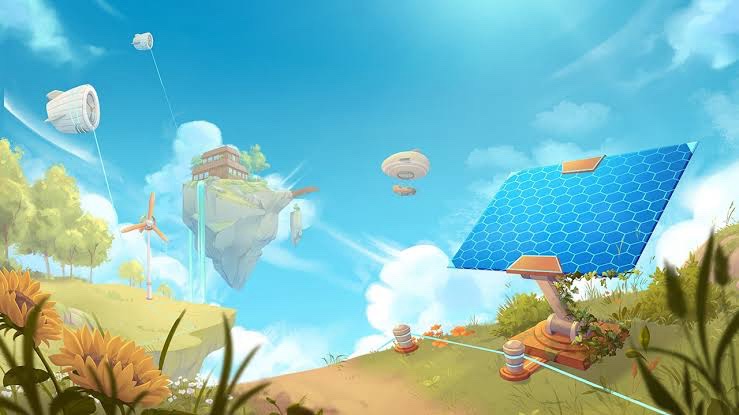
Beyond Solar: The Many Paths to a Solarpunk Energy Future
When people hear the term solarpunk, they often imagine cities covered in rooftop solar panels, gleaming glass towers draped in greenery, and communities powered entirely by sunlight. Solar energy is certainly an important part of that vision, but a truly sustainable future cannot depend on a single source of power. A resilient solarpunk society would embrace a diverse energy ecosystem that includes wind, geothermal, biofuels, and other renewable technologies working together to replace the carbon-based fuels that have dominated human civilization for the last two centuries.
The irony is that many of these energy sources are not futuristic inventions at all. They are ancient forces that humanity has known and utilized in various forms for thousands of years. Wind has propelled ships across oceans since antiquity. Geothermal heat has warmed homes and baths since the days of the Roman Empire. Plant-based fuels have powered engines since the earliest experiments with automobiles. In many ways, the solarpunk future is not about discovering new sources of energy but rediscovering and modernizing the gifts nature has always provided.
Wind power is perhaps the most obvious companion to solar energy. While solar panels generate electricity during sunny hours, wind turbines often produce energy at different times, including at night and during seasonal periods when sunlight is weaker. This natural partnership creates a more balanced electrical grid. Modern wind farms can generate enormous amounts of electricity without consuming fuel or producing greenhouse gases. In a solarpunk future, offshore wind farms, community-scale turbines, and innovative urban wind technologies could provide clean energy to millions while reducing dependence on coal, oil, and natural gas.
Geothermal energy may be even more exciting because it taps into a resource that never stops. Beneath our feet, the Earth contains tremendous amounts of heat generated by radioactive decay and residual energy from the planet’s formation billions of years ago. Unlike solar or wind, geothermal systems can provide steady, reliable power twenty-four hours a day regardless of weather conditions. In a solarpunk world, geothermal plants could serve as the dependable backbone of renewable energy infrastructure, supplying electricity and heating while producing virtually no carbon emissions.
Biofuels also have a role to play, though they must be developed thoughtfully. Soy-based ethanol and other plant-derived fuels offer a renewable alternative to petroleum. Plants absorb carbon dioxide as they grow, and when those plants are converted into fuel, much of that carbon simply returns to the atmosphere in a cycle rather than introducing carbon that has been locked underground for millions of years. While biofuels are not a perfect solution and must be balanced against food production and land use concerns, they can help decarbonize sectors that are difficult to electrify, such as aviation, shipping, heavy machinery, and certain industrial processes.
The solarpunk approach would likely expand beyond soy into a wide variety of sustainable biofuel sources. Agricultural waste, algae, hemp, forestry byproducts, and even municipal organic waste could be transformed into energy. Instead of viewing waste as garbage, future communities could see it as a resource waiting to be reclaimed. This circular approach aligns perfectly with the solarpunk philosophy of reducing waste and maximizing ecological efficiency.
Hydroelectric power, tidal energy, and wave energy would also contribute to a diversified renewable grid. Rivers, ocean currents, tides, and waves contain immense kinetic energy that can be captured with modern engineering. While each technology has limitations, together they create a portfolio of renewable resources that can support one another when conditions change.
Perhaps the greatest advantage of this diverse energy mix is resilience. A city powered entirely by one technology is vulnerable to interruptions. A city powered by solar, wind, geothermal, biofuels, energy storage systems, and smart-grid technology can adapt to changing conditions. When the sun sets, wind turbines may continue spinning. When the wind calms, geothermal systems continue operating. When demand spikes, stored energy and renewable fuels can fill the gap.
Critics often argue that renewable energy cannot meet modern civilization’s needs. Yet humanity has spent generations investing trillions of dollars into extracting, transporting, refining, and consuming fossil fuels. Imagine if those same resources had been invested in renewable technologies decades ago. The question is not whether renewable energy is capable of replacing fossil fuels. Increasingly, the question is why we waited so long to make the transition.
The solarpunk future is not merely about cleaner energy. It is about reimagining our relationship with the planet. Carbon-based fuels represent an economy built around extraction, consumption, and depletion. Renewable energy represents an economy built around stewardship, regeneration, and balance. Wind continues to blow. The Earth continues to radiate heat. Plants continue to grow. The tides continue to rise and fall. These processes have existed for eons before humanity arrived and will continue long after we are gone.
A mature solarpunk society recognizes that nature is not an obstacle to overcome but a partner to work alongside. By embracing solar, wind, geothermal, biofuels, and other renewable technologies, we can build communities that are cleaner, healthier, more resilient, and more harmonious with the natural systems that sustain life. The future may not be powered by a single miracle technology. Instead, it may be powered by the collective wisdom to use the energy sources that have surrounded us all along.

