Dwain Northey (Gen X)
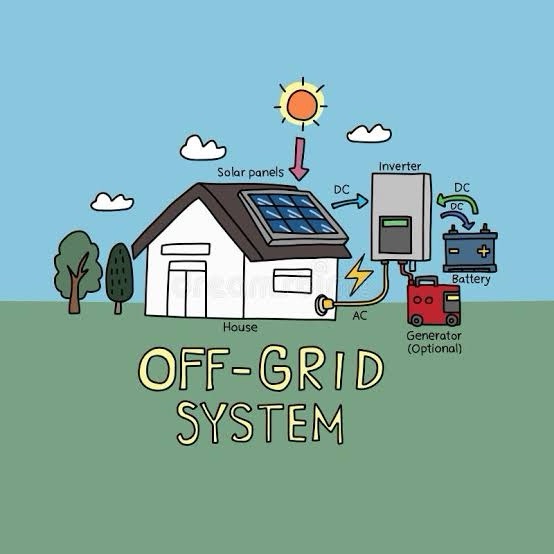
There’s a certain appeal to stepping off the treadmill. Not disappearing from society or becoming a survivalist caricature living in a bunker, but simply asking a question that seems almost radical today: How much do I actually need to live well?
The older I get, the more appealing that question becomes. For those of us pushing retirement age, the idea of getting off the grid starts sounding less like something dreamed up by a guy wearing a tinfoil hat and more like a solid retirement plan. Every year brings another increase in property taxes, insurance premiums, utility bills, grocery prices, and some shiny new subscription we’re apparently supposed to need just to exist. At some point you stop asking, “How do I make more money?” and start asking, “How do I need less of it?”
We’ve built an economy where people work longer hours just to afford bigger mortgages, larger vehicles, and subscriptions to things they barely use. Meanwhile, the basic necessities of life—food, shelter, water, and energy—seem increasingly out of reach for the average person. Maybe the answer isn’t making more money. Maybe it’s needing less of it.
Imagine purchasing a modest piece of land in a state like Nebraska, North Dakota, or Montana. Land is still relatively affordable in many rural areas compared to much of the country. Instead of building an enormous house, you build an efficient one. You dig an eight- to ten-foot-deep greenhouse, taking advantage of the Earth’s natural thermal mass. Below the frost line, temperatures remain remarkably stable throughout the year, dramatically reducing the energy required to heat or cool the greenhouse.
Cover it with modern greenhouse materials, add thermal mass such as water barrels or stone, and supplement it with a modest solar array. Even in northern climates, you could grow lettuce, spinach, kale, tomatoes, peppers, cucumbers, herbs, strawberries, carrots, and countless other fruits and vegetables year-round. Fresh food wouldn’t arrive on a truck from two thousand miles away. It would be growing a few steps from your kitchen.
Raise a small flock of chickens, and suddenly you have a reliable source of eggs, natural fertilizer for your garden, and, if necessary, meat. If you have the skills—and the stomach—to hunt, deer, turkey, rabbits, or other game could provide much of your protein without relying on industrial agriculture. Add rainwater collection, composting, and perhaps a modest orchard, and you’ve built something remarkably resilient.
This isn’t about rejecting technology. Quite the opposite. It’s about using technology intelligently. Solar panels, efficient insulation, geothermal principles, LED grow lights when needed, rainwater harvesting, and modern greenhouse engineering allow one person or one family to produce far more food than would have been possible a century ago.
More importantly, it changes your relationship with work.
Imagine working because you want to, not because missing two paychecks means missing your mortgage payment. Imagine grocery stores becoming supplemental rather than essential. Imagine inflation making the evening news and realizing it barely affects your dinner table because most of your food comes from your own property.
There’s also something wonderfully satisfying about telling the utility company, “No thanks, I’m good.” The older I get, the more I appreciate the idea that my retirement plan doesn’t hinge on what Wall Street did today, whether the power company needs another rate hike, or whether eggs have suddenly become a luxury item again. If my biggest concern is whether the tomatoes need watering, I’d call that a pretty good day.
Would you still participate in society? Of course. Most people would still want internet access, healthcare, travel, and the occasional luxury. But your dependence on an increasingly fragile economic system would be dramatically reduced.
There’s also a psychological benefit that often gets overlooked. Gardening, caring for animals, repairing your own equipment, and producing tangible results each day provide a sense of accomplishment that many modern jobs simply don’t. Instead of staring at spreadsheets or answering emails that will be forgotten tomorrow, you can literally watch your efforts bear fruit.
Would it be easy? Absolutely not. Gardening requires knowledge. Livestock requires responsibility. Hunting isn’t for everyone, and greenhouse systems still require maintenance and occasional repairs. Off-grid living isn’t an escape from work; it’s trading one kind of work for another. The difference is that your labor fills your own pantry instead of helping some CEO decide whether this quarter’s bonus should buy the yacht or the vacation home.
As technology continues to improve and renewable energy become more affordable, this lifestyle becomes increasingly attainable for people of moderate means. It may never be completely independent of the outside world, but it doesn’t have to be. Independence isn’t an all-or-nothing proposition. Every tomato you grow, every egg your chickens lay, every kilowatt your solar panels produce, and every meal that comes from your own land is one less thing you have to purchase from a system that seems to become more expensive and less stable every year.
In an age of economic uncertainty, climate disruption, and a culture that constantly tells us happiness is one purchase away, perhaps the greatest luxury isn’t owning more.
Perhaps it’s needing less.
And honestly, if retirement means trading rush-hour traffic for gathering fresh eggs, harvesting tomatoes in January, and listening to birds instead of cable news, that sounds less like dropping out of society and more like finally figuring it out.


