Dwain Northey (GenX)
One of the most frustrating things about modern political media isn’t bias in the traditional left-versus-right sense. It’s the breathtaking inconsistency in what is treated as front-page news and what is quietly ignored.
Think back to 2016. Every stumble by Hillary Clinton became a medical emergency. Every cough was evidence she was dying. A bout of pneumonia somehow morphed into internet diagnoses of Parkinson’s disease, seizures, secret illnesses, and elaborate cover-ups. The speculation became the story.
Then came President Joe Biden. Every verbal slip, every slow walk, every awkward pause became another twenty-four-hour news cycle asking whether he had dementia. Television panels, podcasts, opinion columns, and social media armchair neurologists all suddenly possessed medical degrees. Every gaffe became proof of cognitive decline. If Biden tripped on a staircase, it wasn’t just a man tripping—it was breaking news that “Sleepy Joe” was mentally and physically unfit for office. The diagnosis had already been made; they were simply looking for the next clip to reinforce it.
Now compare that standard to how similar stories are often handled on the other side of the aisle.
President Donald Trump has had his own verbal misstatements, rambling speeches, name mix-ups, and public stumbles. Yet many of those moments are dismissed as “Trump being Trump,” colorful personality quirks rather than evidence demanding endless speculation about his fitness. The same media ecosystem that could spend days dissecting a Biden stumble often moves on from a Trump gaffe before the next commercial break.
The inconsistency doesn’t stop at the presidency.
Earlier this year, a Republican member of the House was absent for several weeks with little public information before returning and explaining that he had been dealing with emotional or mental health issues. It was reported, acknowledged, and then largely disappeared from the national conversation.
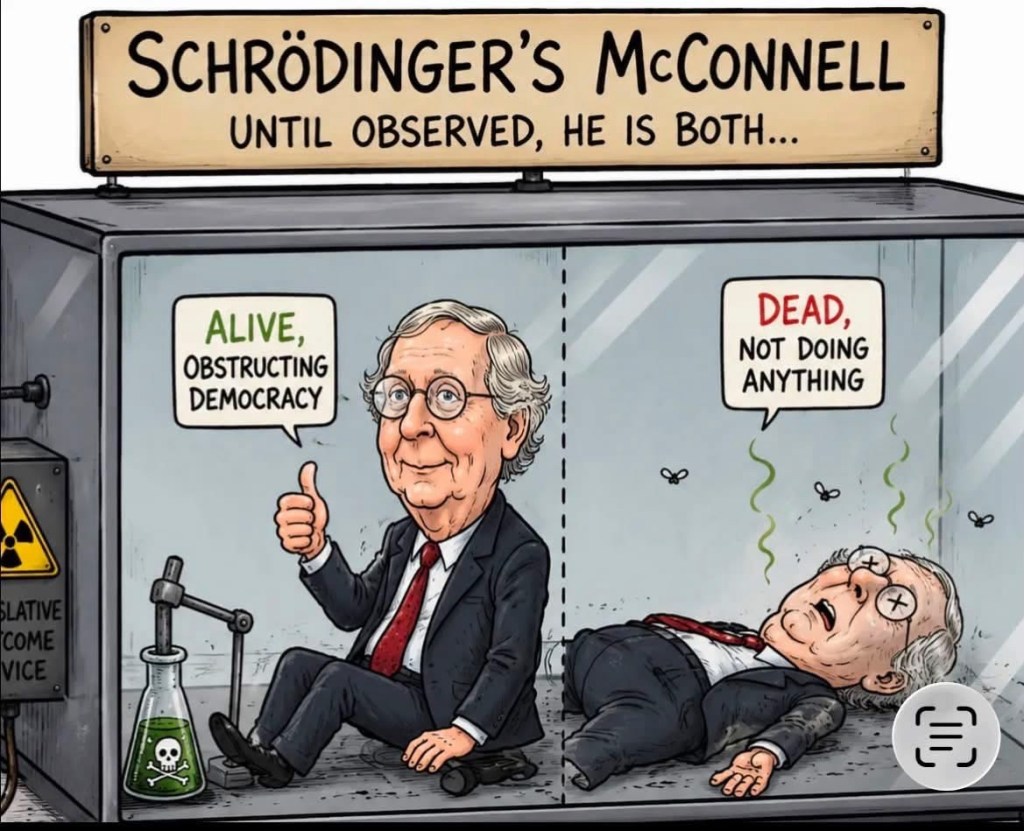
Now there is continuing public speculation surrounding Senator Mitch McConnell and his health. Numerous rumors have circulated online, some making dramatic claims about cardiac arrest, CPR, or severe neurological injury. As of now, those claims have not been confirmed by reliable public reporting and should not be presented as fact.
But regardless of what ultimately proves true, the disparity in attention is difficult to ignore. If an 83-year-old Democratic senator disappeared from public view for weeks amid widespread health rumors, the media would almost certainly be saturated with discussions about succession, transparency, and whether the individual remained capable of serving. Panels of commentators would speculate endlessly. Every anonymous source would become a headline.
From my medical background, I understand how serious cardiac arrest can be in an elderly patient. Someone requiring CPR faces significant risks, particularly regarding neurological recovery, though outcomes depend on many factors. That’s precisely why verified medical information matters more than rumor.
What frustrates me isn’t that journalists ask questions. They should.
It’s that they don’t always ask them consistently.
When a Democrat has a bad day, it becomes a weeklong national conversation about cognitive decline. When a Republican disappears for weeks, the story often fades with remarkably little sustained curiosity. If the roles were reversed, does anyone honestly believe the coverage would look the same?
The constitutional questions are important regardless of party. If an elected official is unable to carry out the duties of office for an extended period, the public deserves reasonable transparency. The office belongs to the people, not to the individual occupying it. Succession laws exist for a reason, and they shouldn’t become political chess pieces simply because one party wants to preserve a seat.
Too often, transparency has become situational. If it’s the other party’s politician, we demand medical records, cognitive testing, and hourly updates. If it’s our own, suddenly privacy is paramount and questions become inappropriate.
That’s not journalism.
That’s not principle.
That’s tribalism.
The public deserves one standard applied to everyone. Democrats. Republicans. Presidents. Senators. Representatives. If fitness for office is truly a matter of public concern, then it should be a matter of public concern all the time—not only when it can be weaponized against the opposing party.
Consistency is what gives journalism credibility. Without it, the media ceases to be a watchdog and becomes just another participant in the political game.

