Dwain Northey (Gen X)
Well, Democrats, progressives, independents, and anyone else who has been watching the political circus over the last several years with a mixture of disbelief, frustration, and occasional existential dread: we have a reason to be optimistic. The results of this midterm congressional election have given us an opportunity to change the direction of this country, restore some semblance of responsible government, and perhaps remind Washington that the people are still paying attention. It’s an encouraging development, and I’m certainly not going to apologize for being a little excited about it.
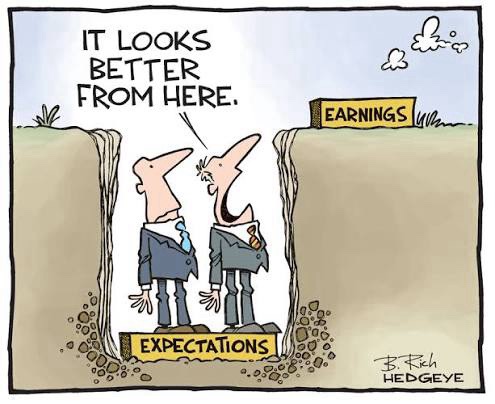
But before we start drafting legislation, rearranging congressional offices, and mentally redecorating the White House, perhaps we need to have a conversation about expectations.
One of the biggest problems with our political culture is that we have become accustomed to expecting instant gratification. We want results yesterday. We want legislation passed tomorrow. We want investigations completed, accountability delivered, institutions repaired, and every broken piece of government put back where it belongs before the next news cycle. And when those things don’t happen immediately, we become frustrated, disappointed, and sometimes downright angry with the very people we just elected to accomplish them.
We need to remember something rather fundamental: It doesn’t take very long to break something, but it takes considerably longer to put it back together.
We’ve spent years watching institutions being undermined, regulations dismantled, public trust eroded, relationships with our allies damaged, and the basic expectations of responsible leadership treated like optional suggestions. Reversing that damage isn’t going to happen because a new Congress takes an oath of office in January. There isn’t a magic switch in the Capitol building labeled “Restore Democracy.” Unfortunately, government doesn’t come with a factory reset button.
And institutional change is even more complicated.
If we genuinely want to address the underlying problems rather than simply reverse whatever the previous administration did, we need to think beyond the next election cycle. We need to establish building blocks that create lasting change. That means legislation, oversight, judicial reform, election protections, campaign finance reform, stronger institutions, and policies that can survive beyond the people currently occupying positions of authority.
Some of those things will be relatively easy to accomplish. Others will require negotiations, compromises, court challenges, public support, and perhaps several election cycles before we see meaningful results.
That’s why maintaining congressional majorities matters. One election can change the direction of the conversation, but maintaining those majorities for two or three consecutive cycles could give us the opportunity to accomplish something substantial. We need enough time to put policies in place, evaluate their effectiveness, make adjustments, and establish protections that aren’t easily undone by the next administration.
And let’s be honest with ourselves: we aren’t going to agree with every decision made by every Democrat we elected. There will be compromises we don’t like, legislation that doesn’t go far enough, and moments when we wonder whether anyone in Washington actually understands what we sent them there to do. That’s part of representative government. We can hold our elected officials accountable without demanding that every disagreement become a reason to abandon the entire effort.
We also need to resist the temptation to turn every political victory into an opportunity for revenge. Investigations and accountability are necessary. If laws were broken, if public resources were abused, or if constitutional responsibilities were ignored, those matters deserve examination. But the objective should be restoring the rule of law, not simply finding new people to punish. We should be demonstrating what responsible government looks like, not imitating the behavior that got us here in the first place.
And perhaps most importantly, we need to remember that governing is different from campaigning. Campaigning is about promises, slogans, and telling people what you intend to accomplish. Governing is about actually accomplishing those things, often through a painfully slow process involving people who don’t agree with you.
So, yes, let’s celebrate. Let’s enjoy this moment. We have earned a little optimism after watching the political equivalent of a dumpster fire for longer than any of us should have had to endure. But let’s temper that enthusiasm with a healthy dose of reality.
We didn’t get here overnight, and we aren’t going to get out of it overnight.
The work ahead is going to require patience, persistence, accountability, and a willingness to keep showing up even when the results aren’t immediately visible. We need to recognize progress when it happens, demand more when it doesn’t, and understand that meaningful change is often measured in years rather than headlines.
My expectations aren’t that the new Congress will fix everything in its first hundred days. My expectations are that they will start fixing things, establish a direction, and give us reasons to keep supporting the work.
We’ve been given an opportunity. Now we have to be willing to invest the time necessary to make something of it.
Winning an election changes who gets to steer the ship. It doesn’t magically repair the damage below deck.
Let’s keep our expectations realistic, our eyes on the long game, and our representatives working. We’ve got a country to put back together, and that is going to take more than one election, one congressional session, or one inspirational speech.
It takes sustained effort. And perhaps that’s the most important expectation we should have of ourselves as voters: don’t just show up when things are going wrong. Stay engaged long enough to make sure they get better.

