Temple of the Dog
Dwain Northey (Gen X)
There are songs that seem to take on a different meaning depending on the time of year, and Hunger Strike by Temple of the Dog is one of those songs for me.
I’ve always understood the line about stealing bread from the mouths of decadence as metaphorical, a commentary on greed, excess, and the enormous divide between those who have more than they need and those who have virtually nothing. But as Thanksgiving approaches, I find myself thinking about that lyric in a much more literal sense.
Thanksgiving is a celebration of abundance. Families fill grocery carts with turkeys, hams, potatoes, stuffing, and pies. Tables are extended, extra chairs are brought out, and refrigerators become temporary storage facilities for leftovers that will last for days. And there’s absolutely nothing wrong with enjoying that abundance.
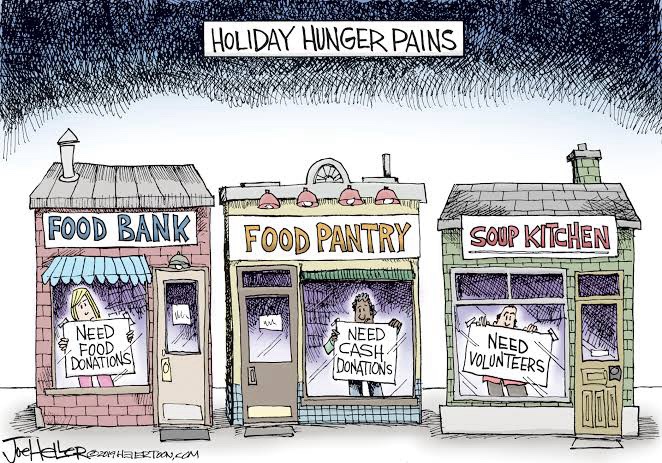
But somewhere, sometimes just a few blocks away, someone is wondering where their next meal is coming from. Someone is sleeping under a bridge, in a tent, or in the back seat of a car. Someone’s children are going hungry while another family is debating whether they made enough food for everyone.
That’s the uncomfortable contradiction behind the song. We live in a society capable of producing extraordinary abundance, yet somehow still leave people struggling for something as basic as a meal. We can pile food onto our Thanksgiving tables while food banks and shelters struggle to feed those who have nowhere else to turn.
And before we dismiss hunger as somebody else’s problem, it’s worth remembering how quickly circumstances can change. A lost job, a medical emergency, an eviction, or a family crisis can turn a comfortable existence upside down. The distance between having enough and having nothing isn’t always as great as we imagine.
I’m not suggesting anyone should feel guilty about enjoying Thanksgiving. But perhaps gratitude should come with a little responsibility. A donation to a food bank, a contribution to a community meal, or simply helping someone who needs it isn’t going to solve the world’s problems, but it might make someone’s Thanksgiving a little less difficult.
As I listen to Hunger Strike this time of year, the metaphor becomes increasingly difficult to separate from reality. We can celebrate what we have, and we should. But we shouldn’t become so comfortable with our own abundance that we stop noticing those who are going without.
Perhaps the true spirit of Thanksgiving isn’t measured by how much food we put on our tables, but by whether we remember those who don’t have a table at all.
Because there is something profoundly wrong with a society that can produce mountains of decadence while still leaving people hungry at the bottom of them.

